



Aktuelle News & Schlagzeilen
Michael Herkimer chooses Robe for “OLP30” tour
Raine Maida, lead singer of Our Lady Peace (OLP), briefed lighting designer Michael “Herk” Herkimer of HLX ahead of the alt-rock band’s 2025 Canadian tour: Raine asked if Herkimer could possibly look at a link to a 2013 Nine Inch Nails touring show video from the Staples Center in Los Angeles - among his inspirational sources.
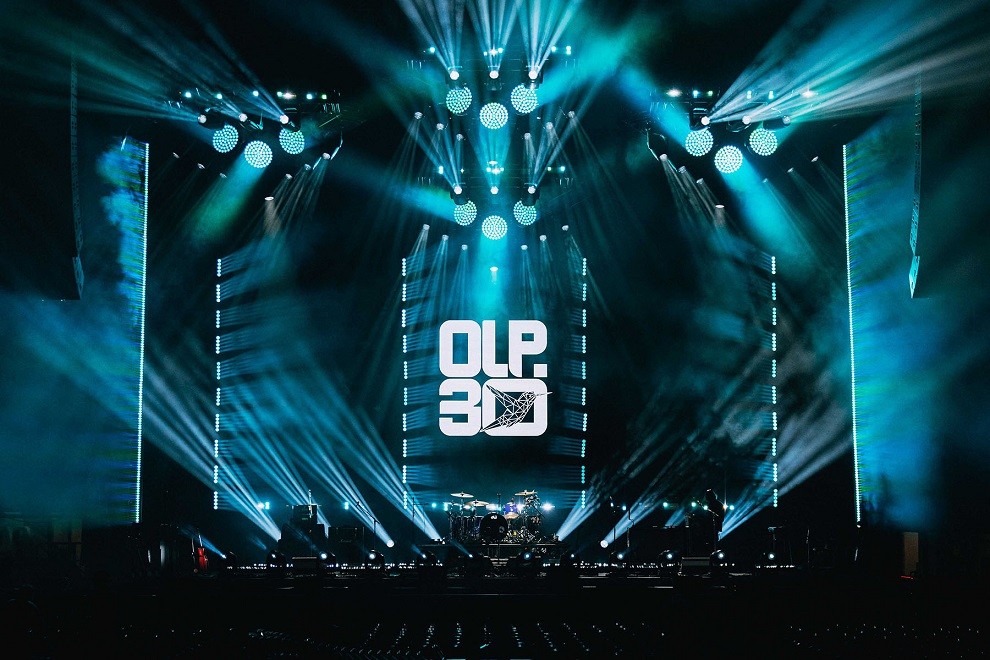
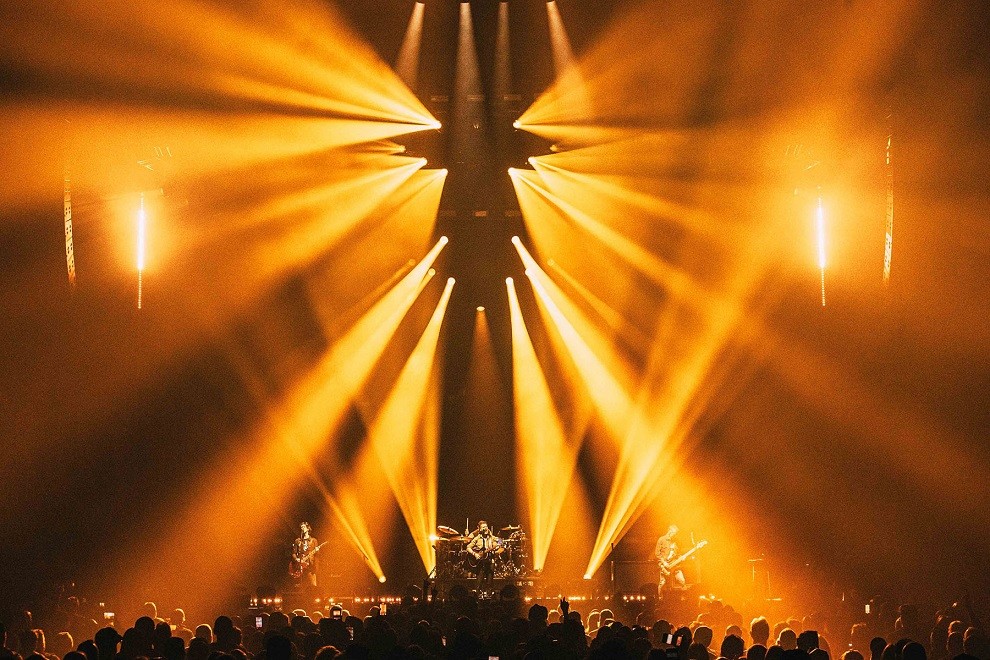
Herkimer says he has admired NIN designs for many years, so this was music to his ears. He took this and other elements as a starting point and produced a unique look and original style for the “OLP30” tour, which celebrated thirty years as a musical powerhouse. Robe Forte and MegaPointe moving lights were prominent on the lighting rig, with six of the fity Fortes running on three RoboSpot BaseStations, all supplied by rental vendor Soundbox.
This was Herkimer’s first time working with OLP. He was offered the gig when production manager Matt Blakely came onboard, with whom he has worked closely on other projects for several years. Herkimer also took on the production and stage designer roles, the LX design and programming, plus video design and programming.
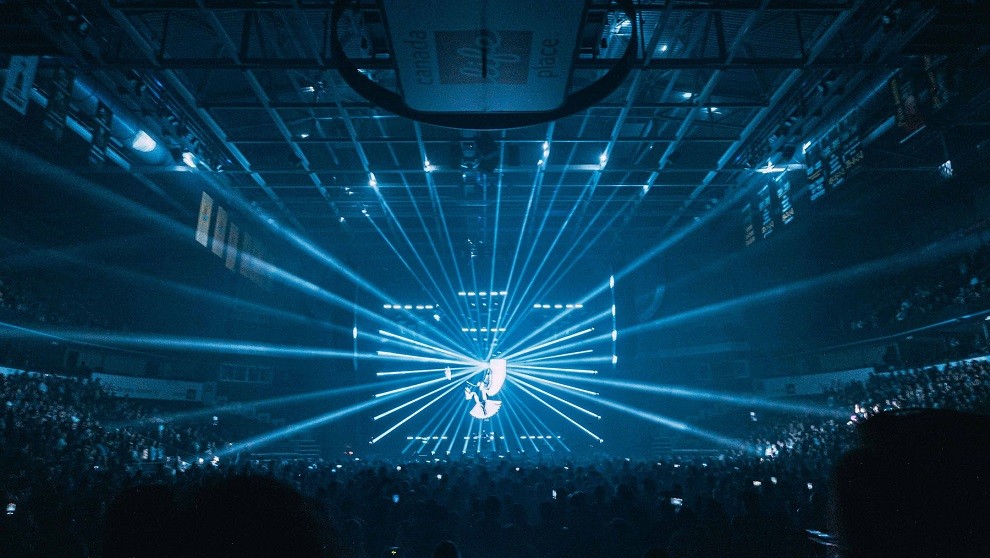
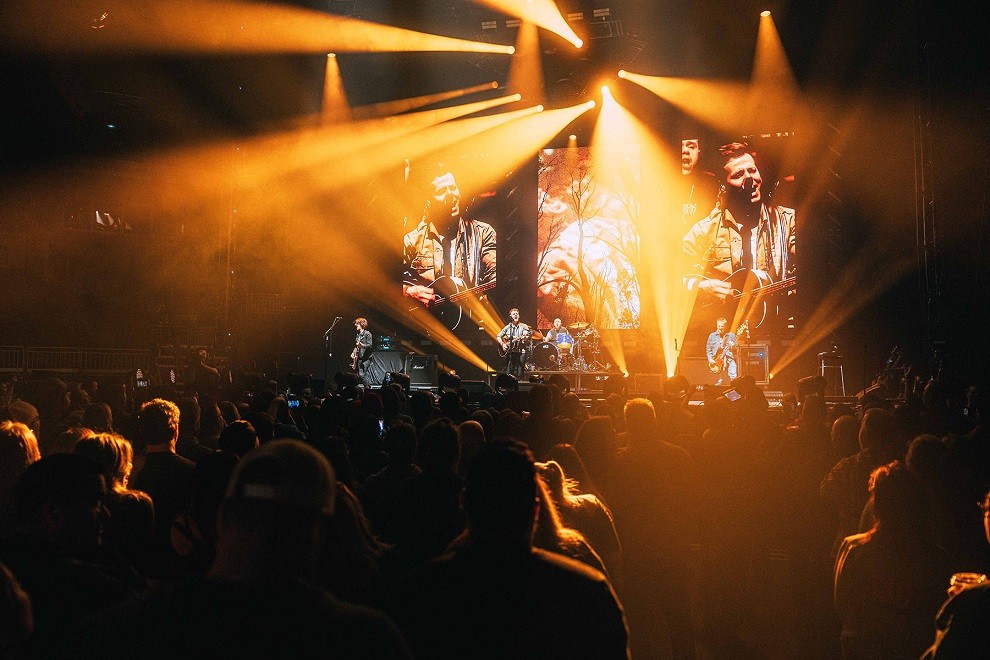
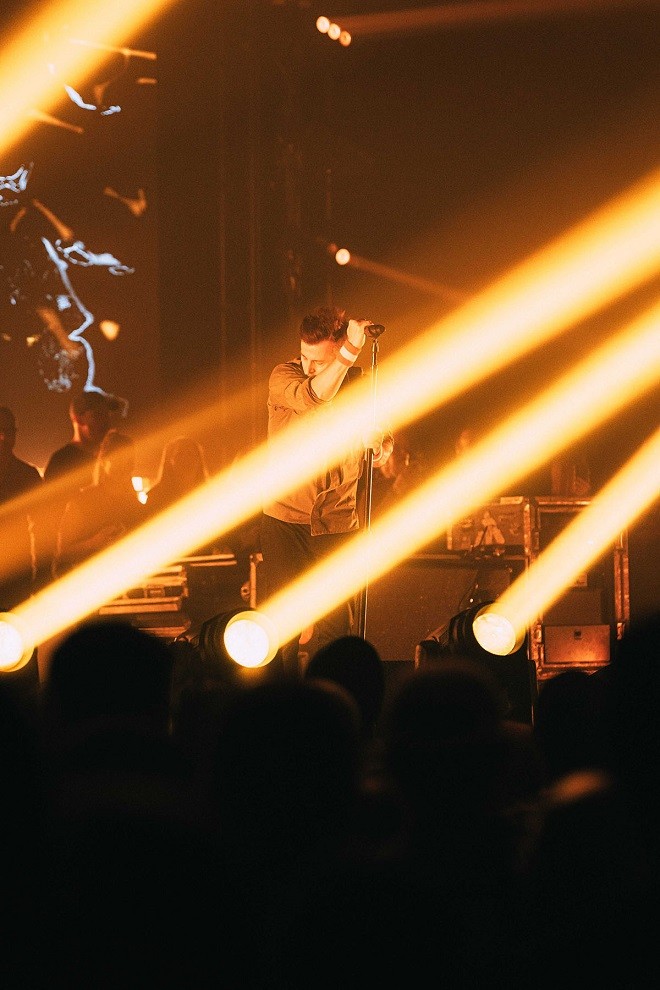
Four large triangular trussing pods were flown over the stage, each rigged with ten Fortes to produce massive rock show looks in addition to lighting the standard upstage positions, complete with another eight Fortes deployed upstage on the deck. The six Fortes used on the RoboSpot systems were all rigged at acute and steep angles to the stage to keep that “God-light celestial look” which apart from looking very cool, on a practical level also kept light out of the performer’s eyes. The pod Fortes were specifically positioned for producing these big moments, and with three large LED screens onstage, Herkimer says he knew he could rely on the Fortes to punch through.
MegaPointe is a regular choice for Herkimer’s creative lighting work, and here they were deployed six a side on ladders, stage left and right, covering all the “high interest” areas near to the band, delivering both beam and spot looks. They were complemented by twelve Pointes around the front of the stage. The RoboSpots facilitated the steep spot angles that were essential to the show aesthetic, keeping it looking stylish and raw. RoboSpot tech Mark Tissan was “surgical” in his daily efforts to optimize this element while lighting system designer Rob Mcintosh was instrumental in setting all of it up pre tour.
On the road, a barge was utilized to move the RoboSpot BaseStations around at each venue, positioning them side stage when possible, from where it was handy for seeing the rig and for efficient troubleshooting if needed. However, they also had the additional flexibility of being able to deploy the BaseStations anywhere in the venue when this space was not available.
Designing both video and lighting in tandem enabled Herkimer to properly harmonize both these visual entities seamlessly with playback and IMAG under his control for outputting to screen. His approach generally played one against the other, a treatment that produced a rawer, edgier, and more genuine look as opposed to fully integrating both mediums. “Lighting would tend to juxtapose and contrast video but still support it”, he notes.
The creative goals included “leaning into the artful and unconventional wherever possible and also relying on some epic and classic looks for big moments that sweep fans up into the action.” Video content was created by Raine Maida, who takes a big interest in the live show presentation together with Dan Fusselman of DFuss.TV from Phoenix, and Toronto-based Fezz Stenton. The live video director was Taylor Green.
Herkimer highlights the value and relevance of Raine Maida’s creative contributions, mentioning that to date he’s not encountered many musicians “with such high taste and understanding of how lighting and video can play into a show - he is an absolute dream client with decisive and refreshing creative direction.” Challenges included managing the simultaneous energizing of Herkimer’s collective skillsets to complete the project on a tight deadline: “All my responsibilities/roles for this tour added up to a large additional layer with a narrow margin for error, much more so than if I had been dealing with one solo role or discipline.”
Lighting crew chief Arnold Pereira made time in his busy schedule to go on the road with them. “His character and loyalty over the years is only outshone by his incredible standards of excellence”, praises Herkimer. Mark Tissan looked after dimmers as well as RoboSpots, and they were joined by LX crew members Alex Jeffrey and Curtis MacNeill.
Fezz Stenton was essentially working on camera/content integration and creating some key pieces of content. “His role added a vital layer of complexity and artfulness to the show”, states Herkimer who was happy to have him at the table during the creative meetings. James Plouffe from Light and Dark Toronto assisted with the Vectorworks drafting and the systems designer was Rob McIntosh. The show was programmed during two weeks at Herkimer’s studio in southern Ontario before kicking off in Calgary.
(Photos: Brandon Ferguson/Corey Kelly)
SCHLAGZEILEN
news archiv
suche
© 1999 - 2026 Entertainment Technology Press Limited News Stories