






Aktuelle News & Schlagzeilen
Studio Haifax deploys Coda Audio VCA system for Jan Smit show in Antwerp
Dutch singer Jan Smit has been a household name in the Netherlands, Belgium, and Germany for almost three decades. As well as playing to packed arenas, Smit also enjoys a TV career as a coach on “The Voice of Holland”, amongst other commitments.
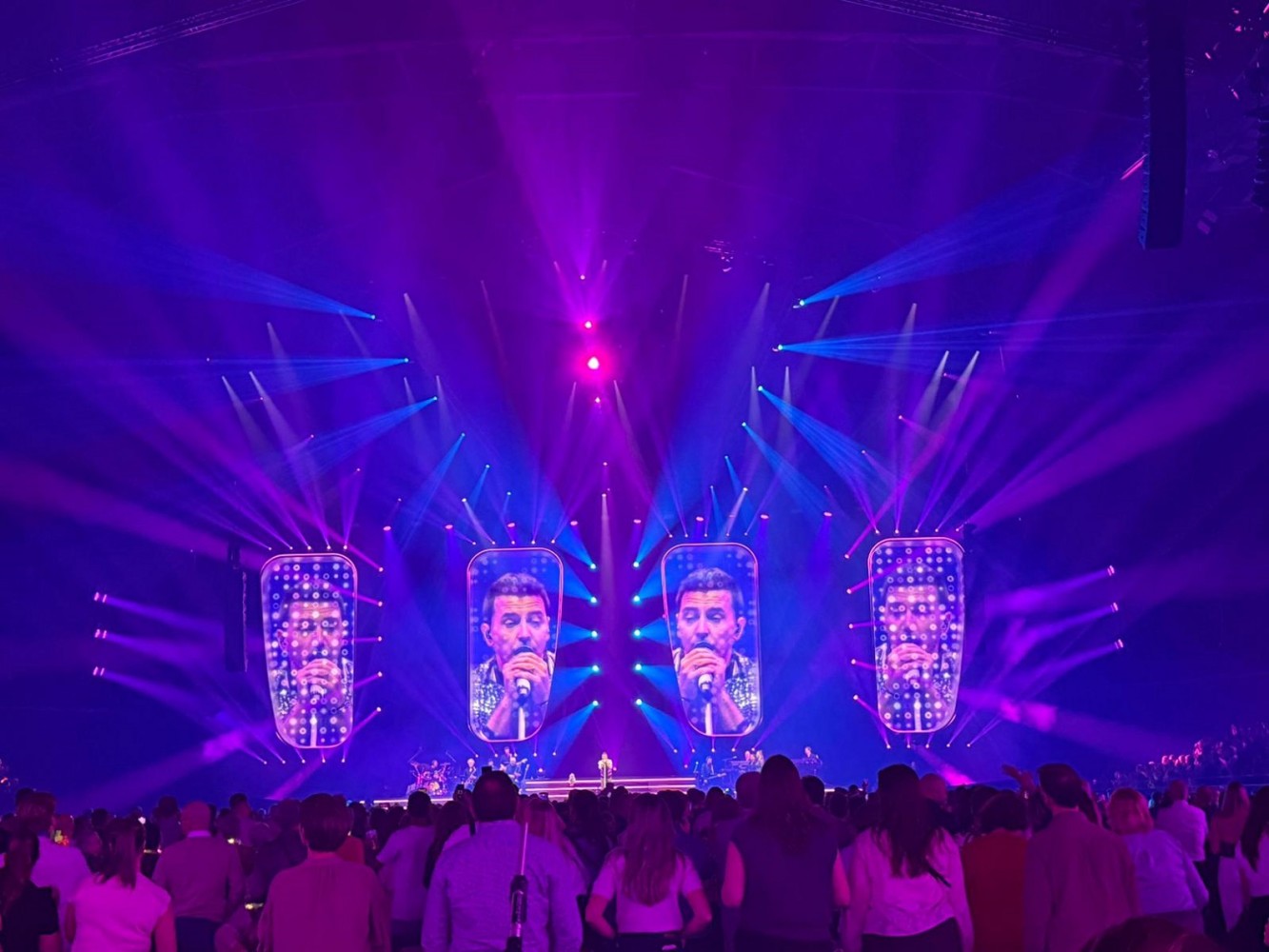
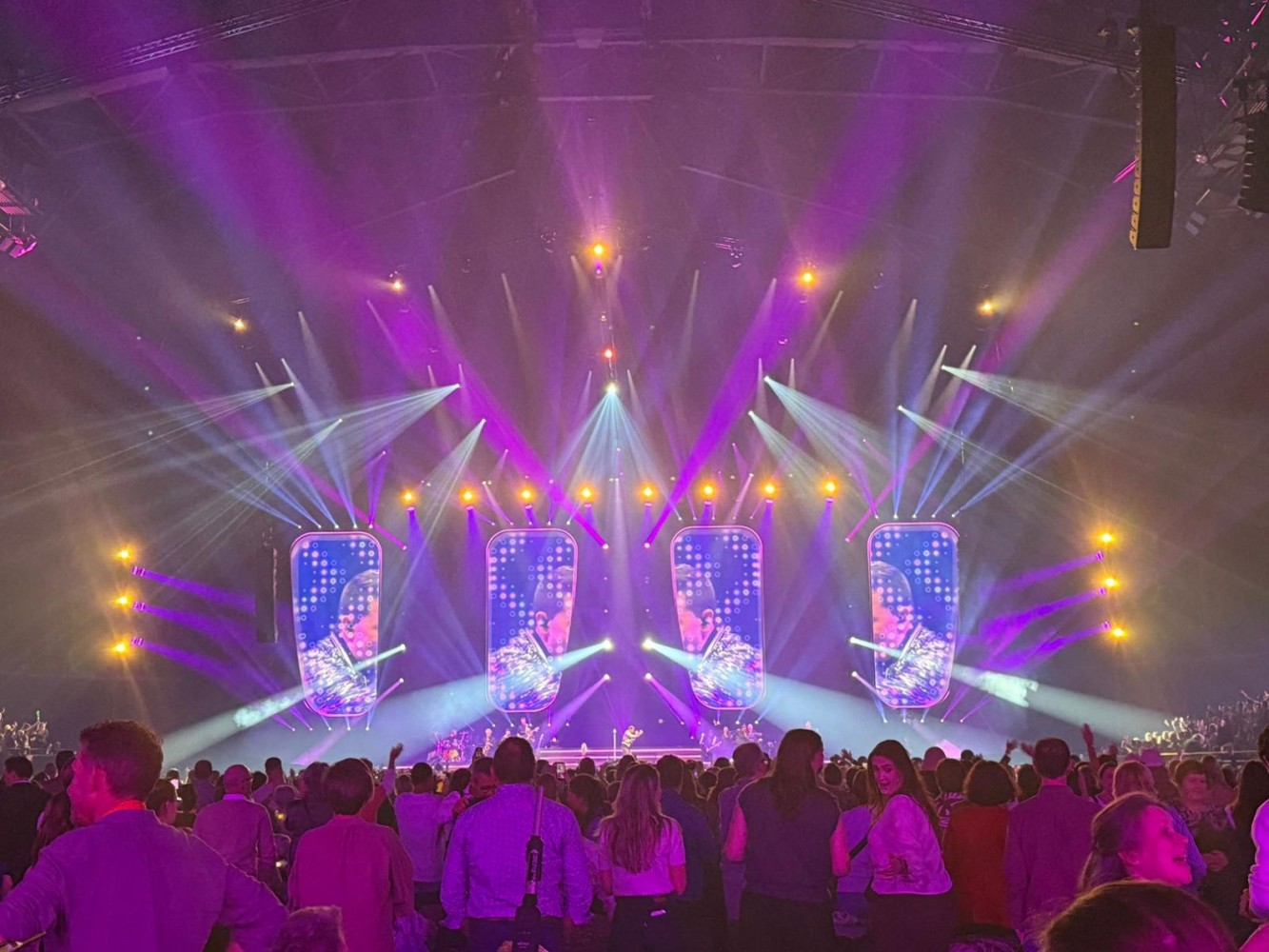
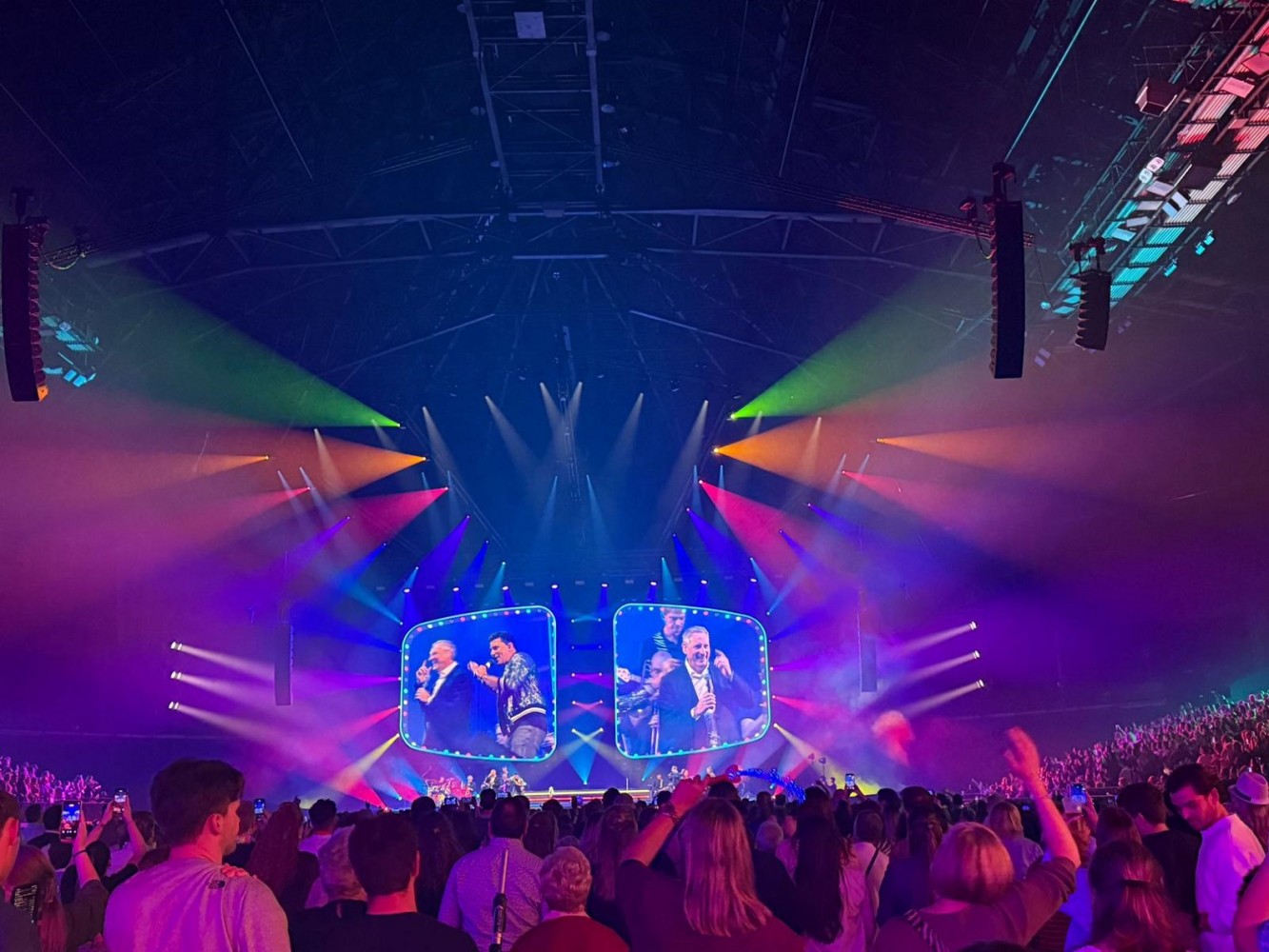
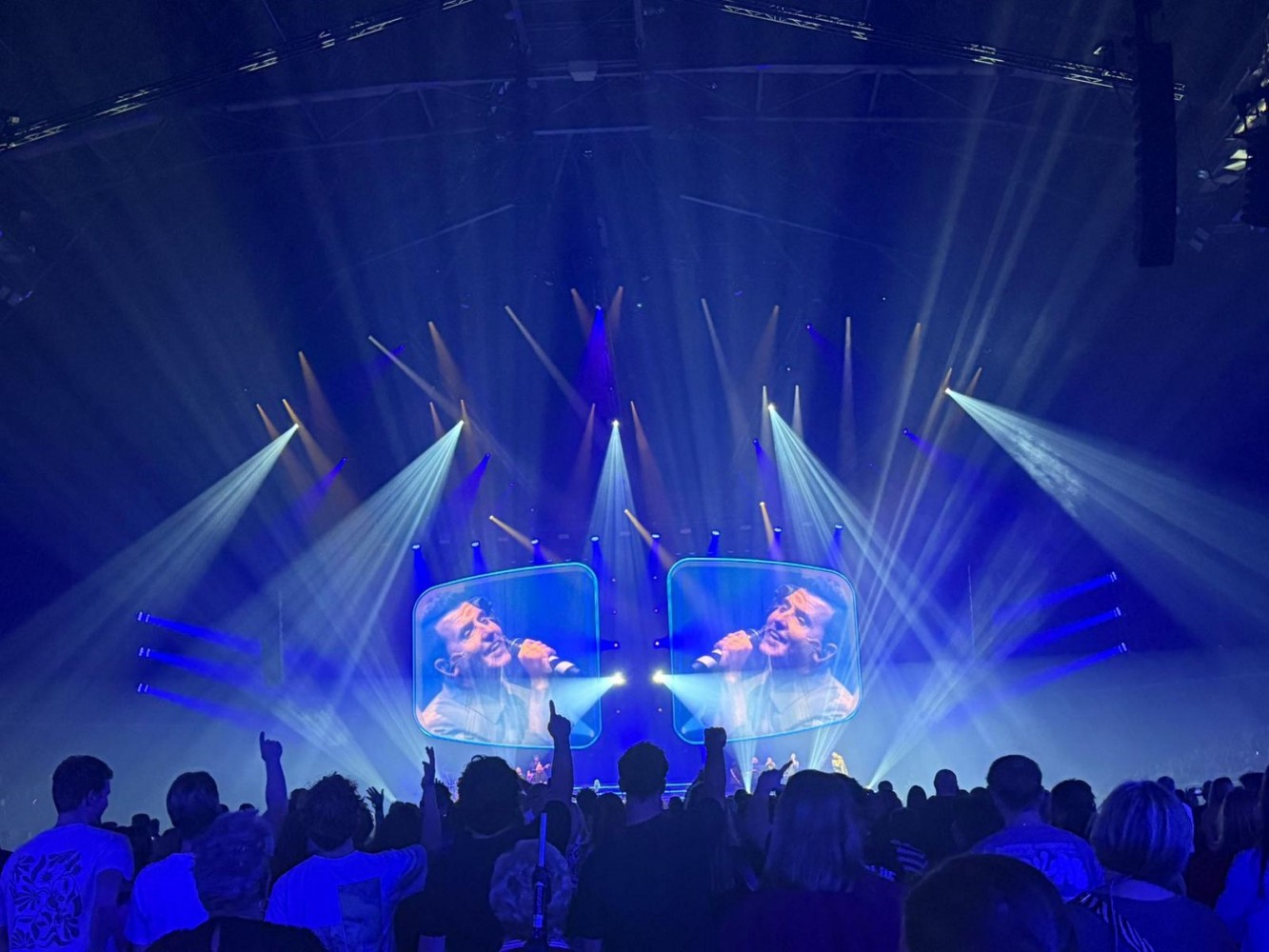
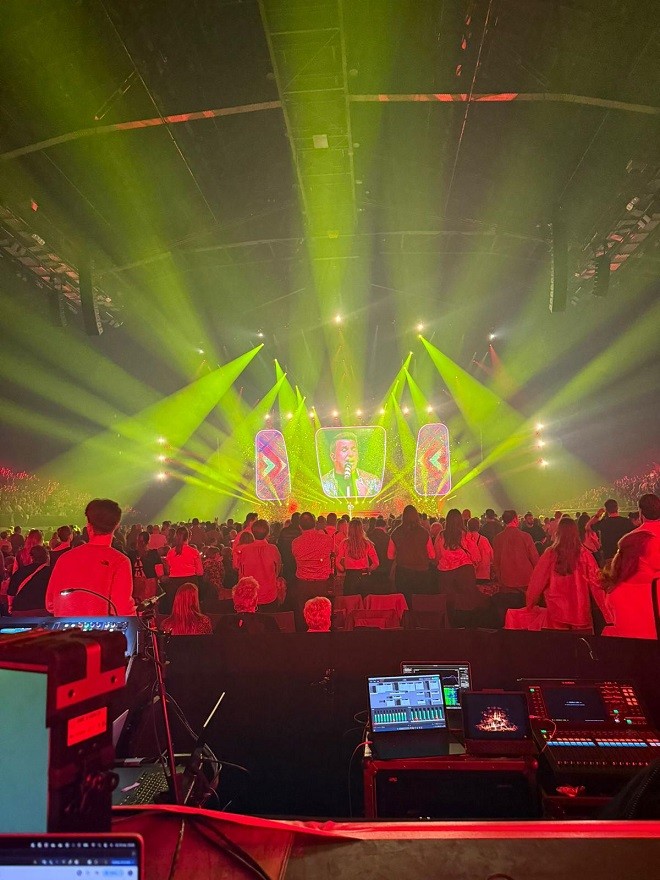
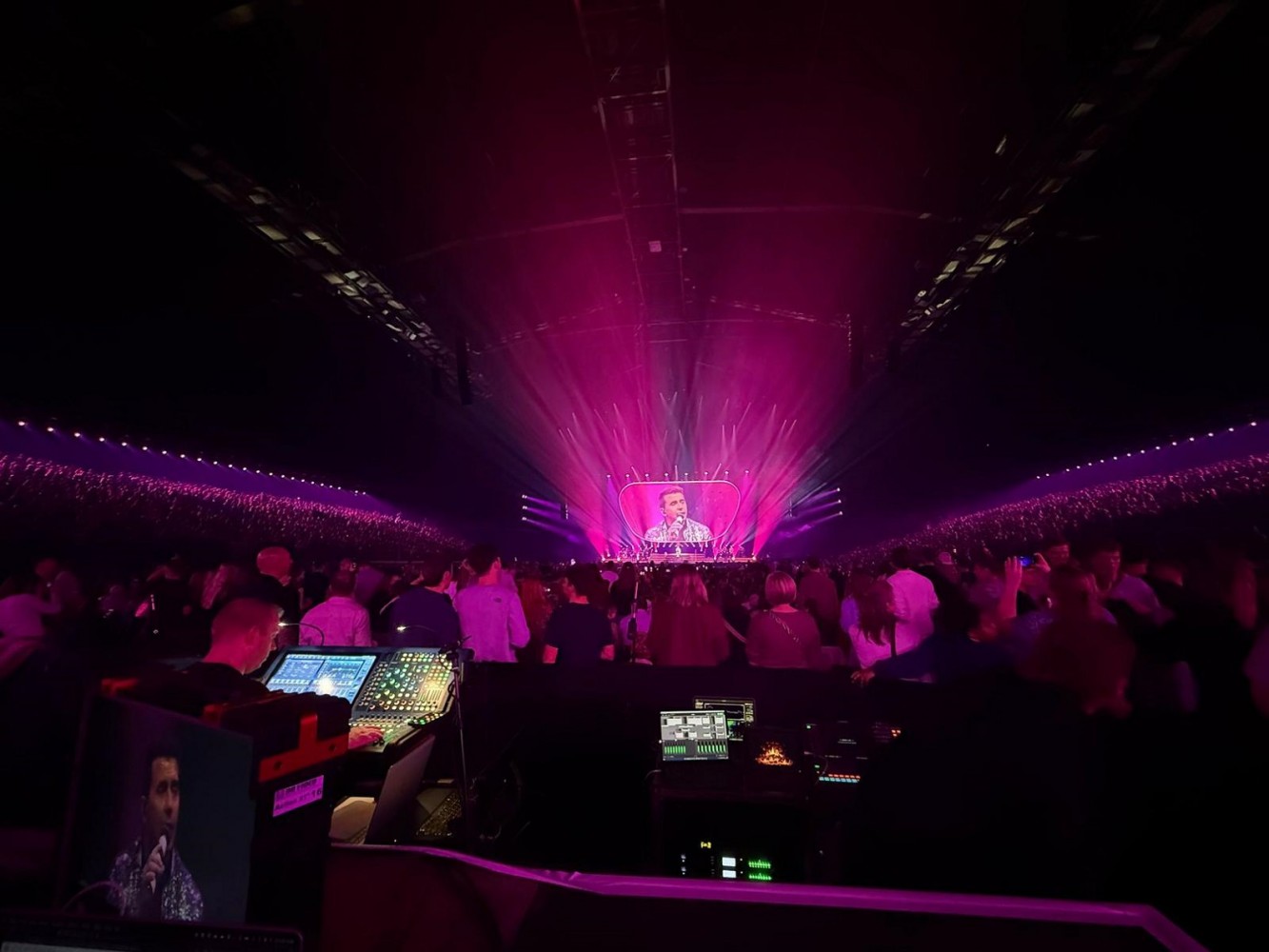
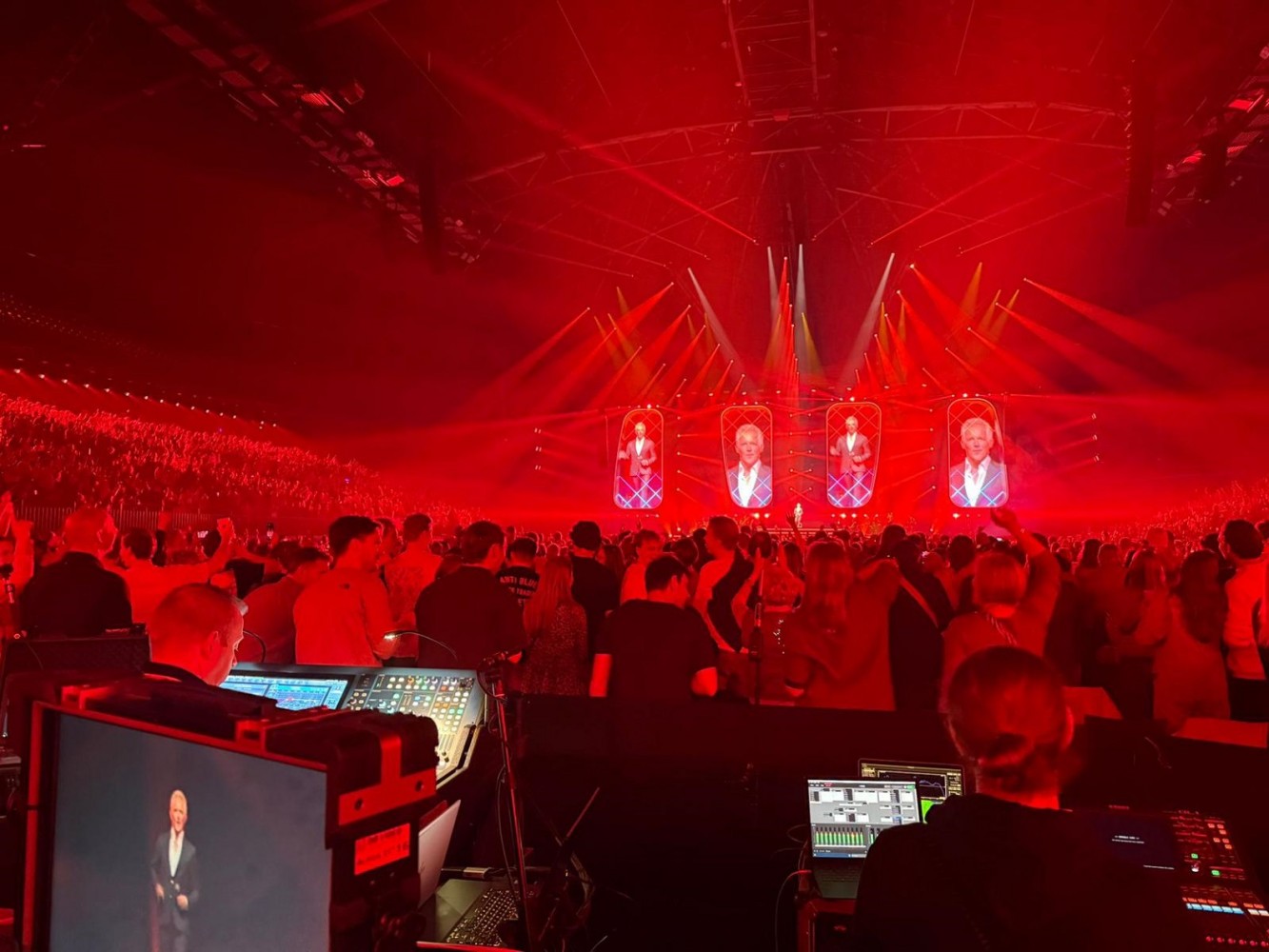
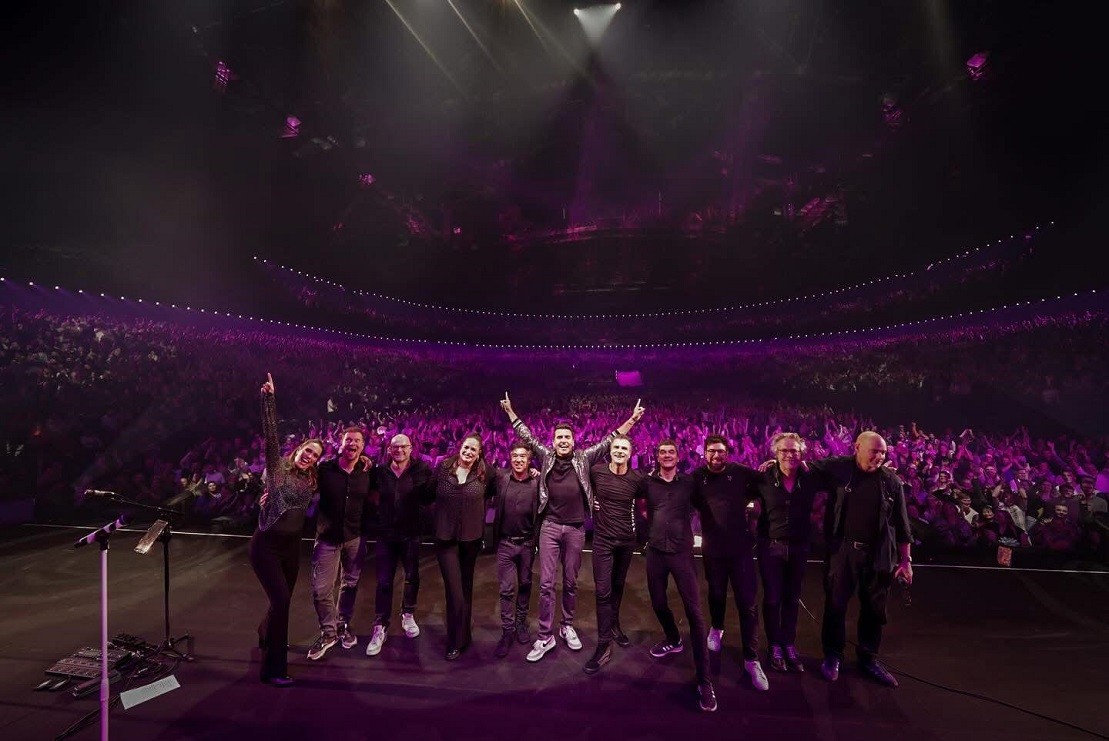
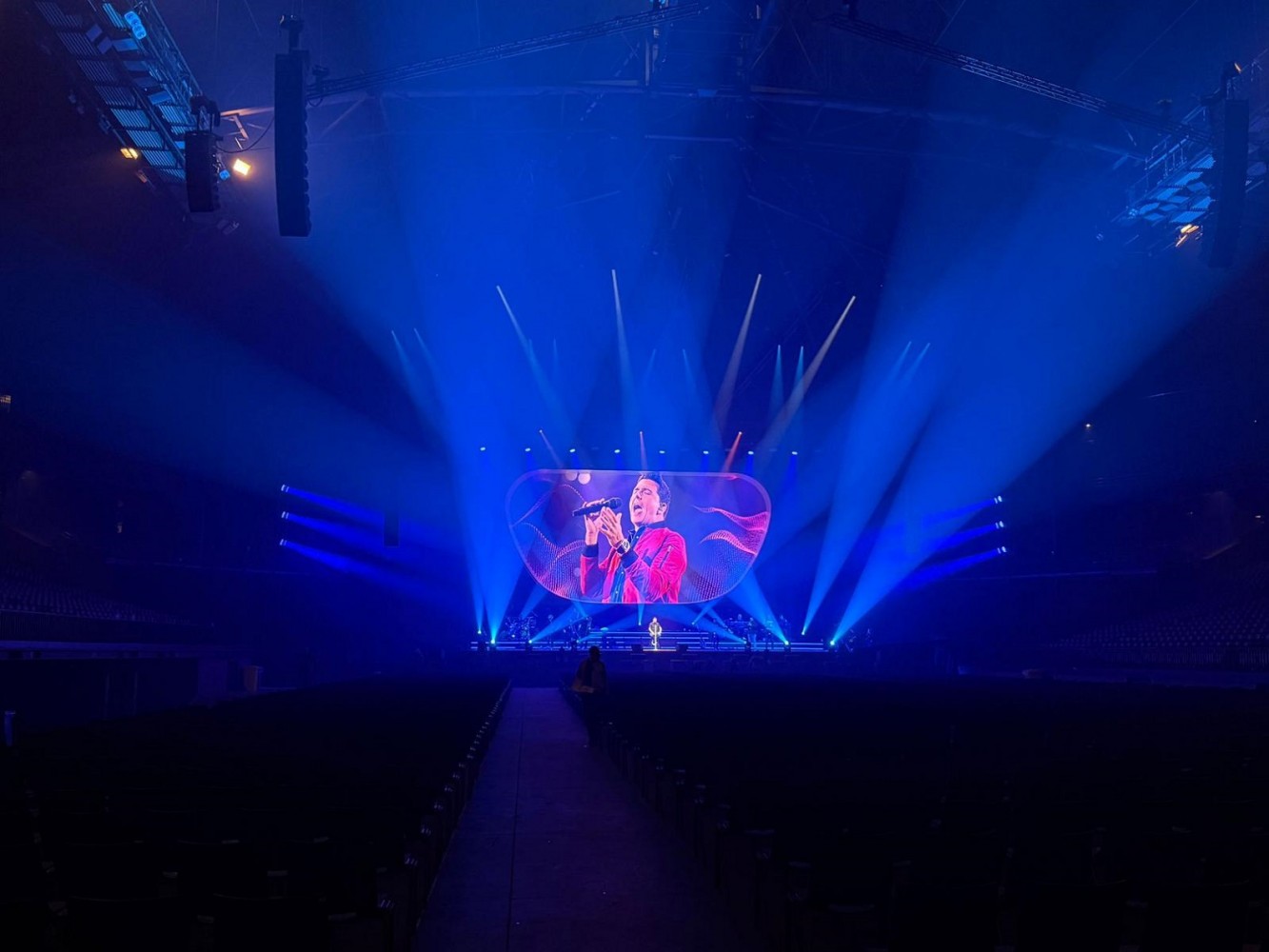
He recently celebrated his forthcoming fortieth birthday with a show at the AFAS Dome in Antwerp, Belgium, where an audience of 12,000 delivered several standing ovations during the evening. Studio Haifax was engaged by organisers House of Entertainment to take care of the show’s audio, and supplied a Coda Audio system.
System Engineer Lennert Van De Velde of Studio Haifax took care of the project. “We are a trusted partner of House of Entertainment, and have worked at this arena a few times, including on a previous Jan Smit show”, he says. “For this event we designed a system based on Coda Audio’s VCA ‘family’ of line arrays: ViRay, CiRay and the flagship AiRay.” Studio Haifax has an extensive inventory of Coda Audio.
“The AFAS Dome is an acoustically challenging space”, notes Van De Velde. To design the system, make adaptations, and predict coverage accurately, he used System Optimiser, Coda’s proprietary prediction software. Studio Haifax then deployed a main PA comprising ten AiRay per side (eight at 90° and two at 120°), with a further fourteen AiRay (90°) per side as outfill.
Twelve AiRay (90°) per side acted as delays, with eight ViRay (120°) per side as outfill delays. Ten CiRay (90°) provided further delays, with frontfills of twelve ViRay (120°). Three N-Ray acted as balcony outfill. The low end was provided by twenty SCV-F sensor-controlled subs per side flown behind the outfill arrays, supplemented by thirty ground-stacked SCP sensor-controlled subs. The system was powered by Coda Audio’s Linus DSP amplifiers.
“The combination of a cardioid flown SCV-F sub-array behind the AiRay system, together with the ground-stacked SCP cardioid sub-array, made for very good control of the low end of the spectrum”, concludes Van De Velde. “By adopting this design, we could keep levels on stage pleasant for the artists, and keep low frequency energy away from the empty reverberant areas.”
(Photos: Coda Audio)

SCHLAGZEILEN
news archiv
suche
© 1999 - 2026 Entertainment Technology Press Limited News Stories