

Aktuelle News & Schlagzeilen
Zach Scott turns to ChamSys for The Academy Is anniversary tour
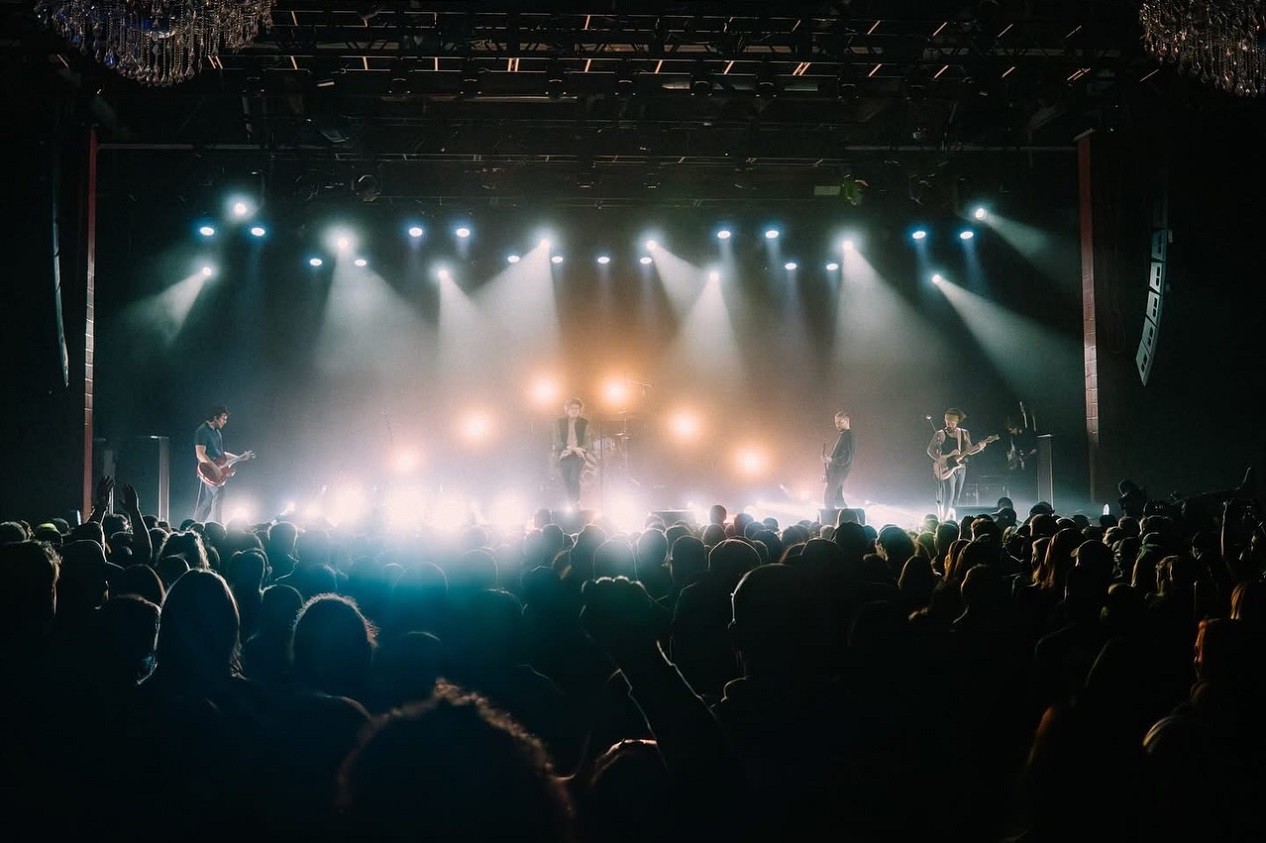
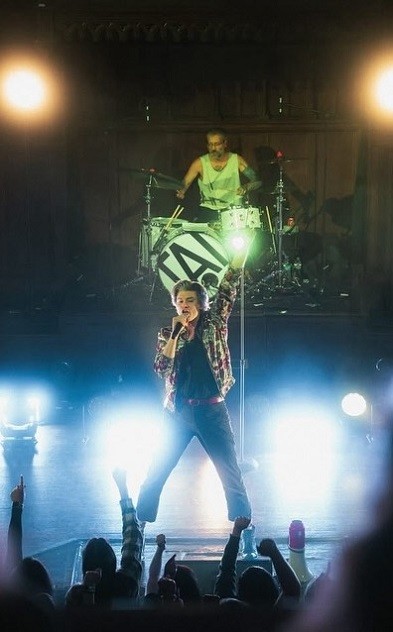
“The first thing I do right after I listen to the music that’s going to be in my client’s set, I write a paragraph for each song that captures the vibe I want to create with my lighting”, says lighting designer Zach Scott. “This includes the emotional tone and rough look for every song. Doing this helps me focus my visual ideas and it helps me avoid repeating myself.”
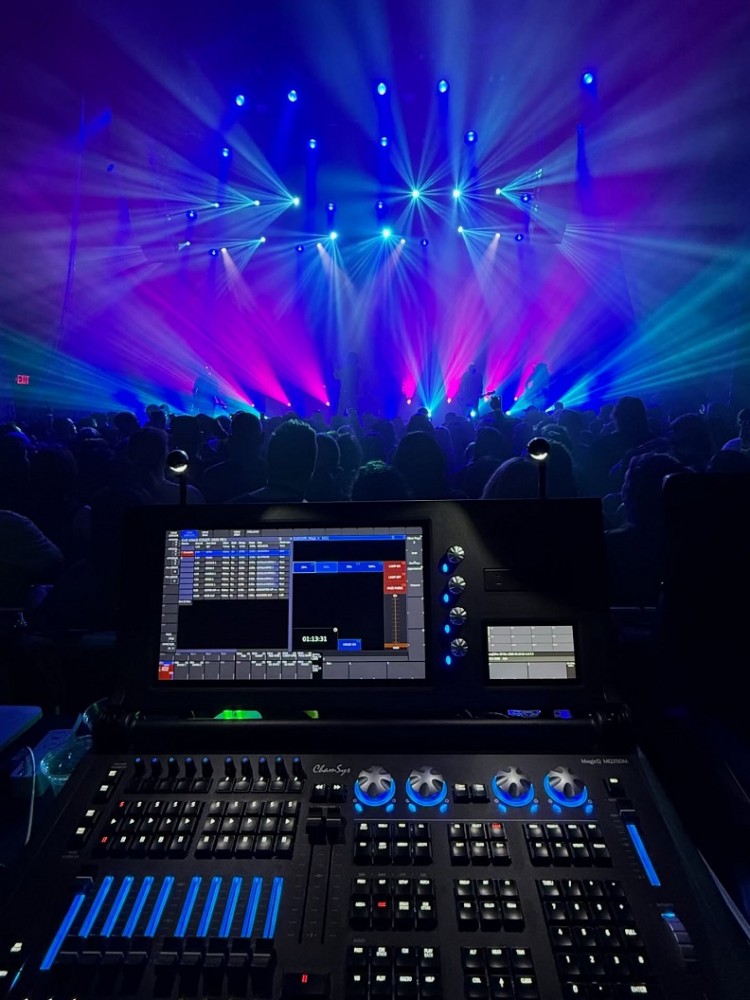
When creating the design for the recently concluded 20th anniversary tour by pop punk band The Academy Is, Scott used a ChamSys MagicQ MQ250M Stadium console with a MagicQ MQ80 coupled with an extra wing as the tracking backup. “The show was fully pre-programmed - each song lived on its own page with a main cue stack holding the core information”, he explains. “I also used a handful of bump buttons for kick/snare hits and big moments that needed precise manual timing. The band doesn’t run tracks, so everything was triggered live without timecode. It’s been a refreshing change of pace from the heavily timecoded environments I’m usually in.”
“I programmed and pre-visualized the show using Capture 2025”, Scott continues. “I took the Capture file on the road with me so I could plug my console into my laptop and update or build new material whenever the band added a song. The MagicQ 250M was great interfacing with the software. My programming and pre-viz setup stays consistent in my studio, which lets me work comfortably during pre-production. Once the show is dialed in, I simply save the file over to the touring consoles and hit the ground running.”
The flexible per-universe network protocol options were critically important to Scott on this tour. A pair of other features were equally significant: Group Cues, and the compact size of his ChamSys desk, for instance. “Being able to assign different network protocols on a per-universe basis is huge in today’s touring world”, he elaborates. “My floor package runs fully on sACN, but some venues still rely on Art-Net. Having per-universe control means I can adapt instantly without reconfiguring my entire rig. As for the Group Cues, they are a game changer for speed and accuracy when integrating house systems. Instead of relying on clone/morph workflows, I simply build new house-rig groups and copy data from my virtual flown groups straight into them.”
On the subject of console size, Scott notes that in some venues on this tour, the FOH positions usually had their own in-house consoles, which left touring crews with minimal space: “We don’t always have the ability to setup in front of their house equipment, so having a small footprint becomes key in these situations.” Scott credits the team at JRLX and their “immaculate prep work” with helping to make the tour go smoothly.
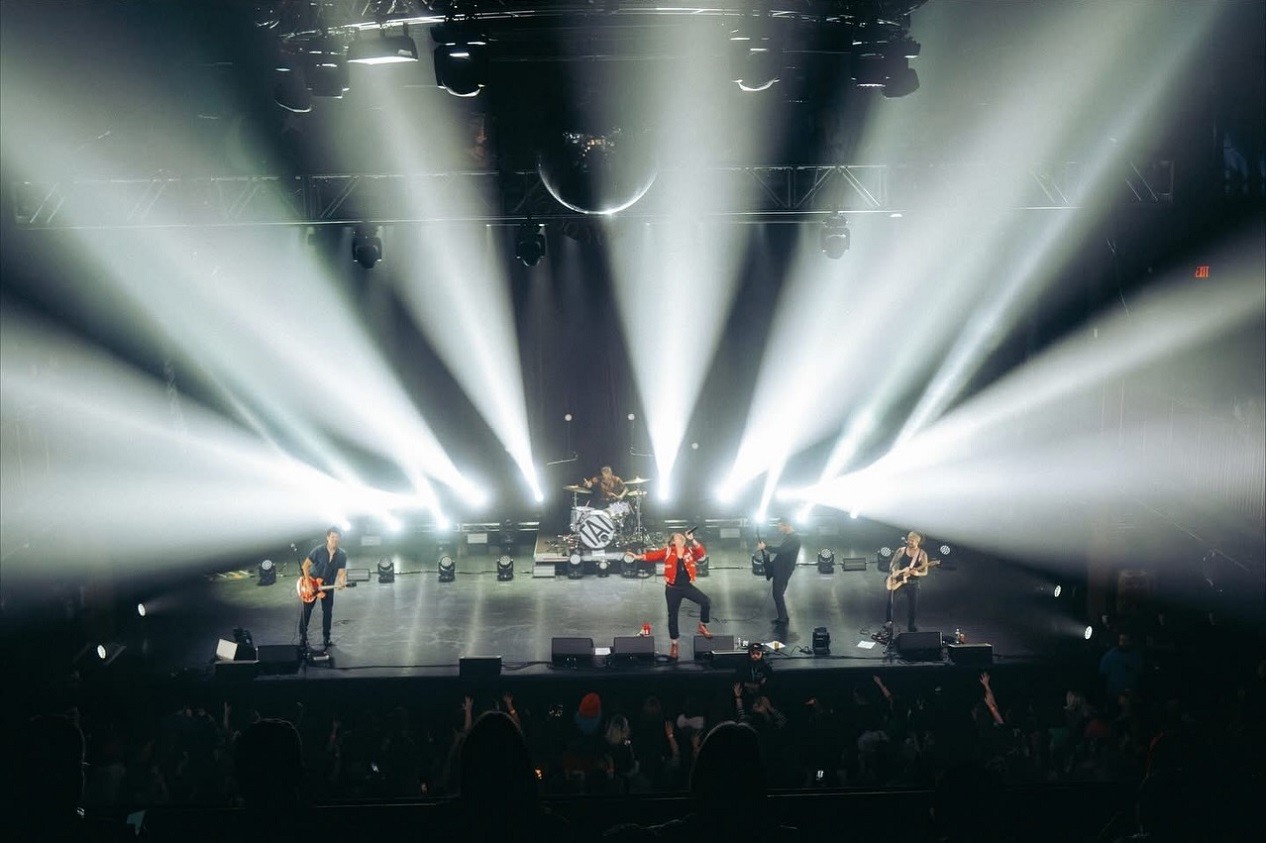
Looking back at his show, he says: “For the most part the verses stayed moody and toned-down, while the pre-chorus opened up into wide, fanned out looks, with strobe bursts on the downbeats of the chorus. Aerial looks formed the backbone of this show. Since the band hasn’t toured in many years, most of the audience consisted of longtime fans who already knew the music inside and out. I wanted to create a deeply immersive, atmospheric environment that amplified that nostalgia. My goal was for the visuals to hit just as hard for someone in the back of the room as they did for the fans right up front.”
(Photos: ChamSys)
SCHLAGZEILEN
news archiv
suche
© 1999 - 2026 Entertainment Technology Press Limited News Stories