



Aktuelle News & Schlagzeilen
Crt Birsa illuminates “Winter Fairytale” with Robe iEsprite LTL
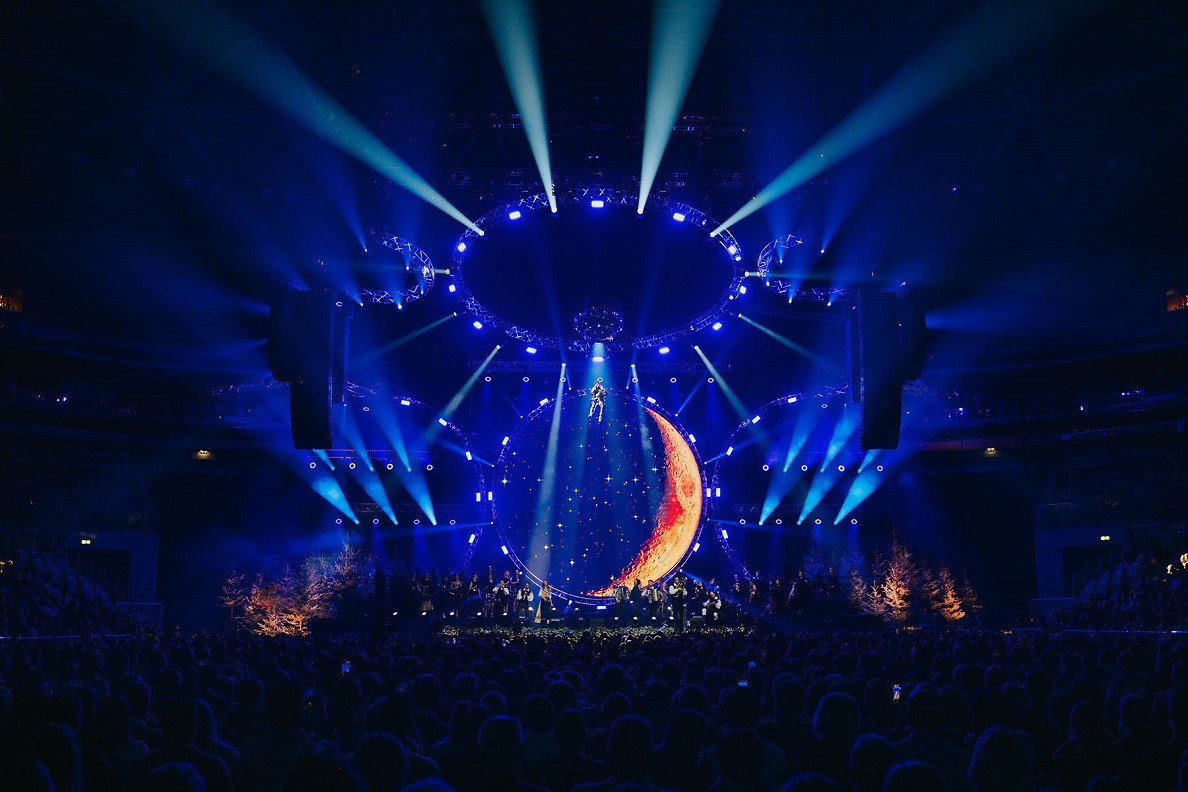
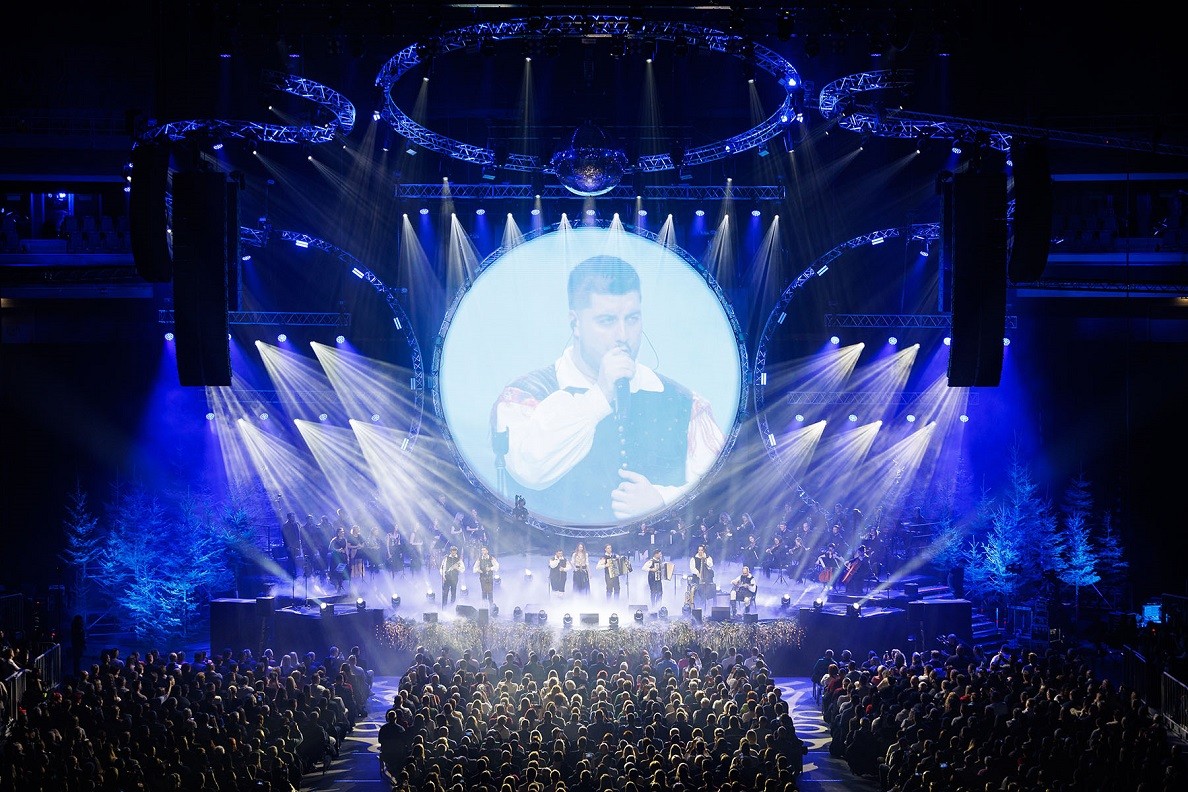
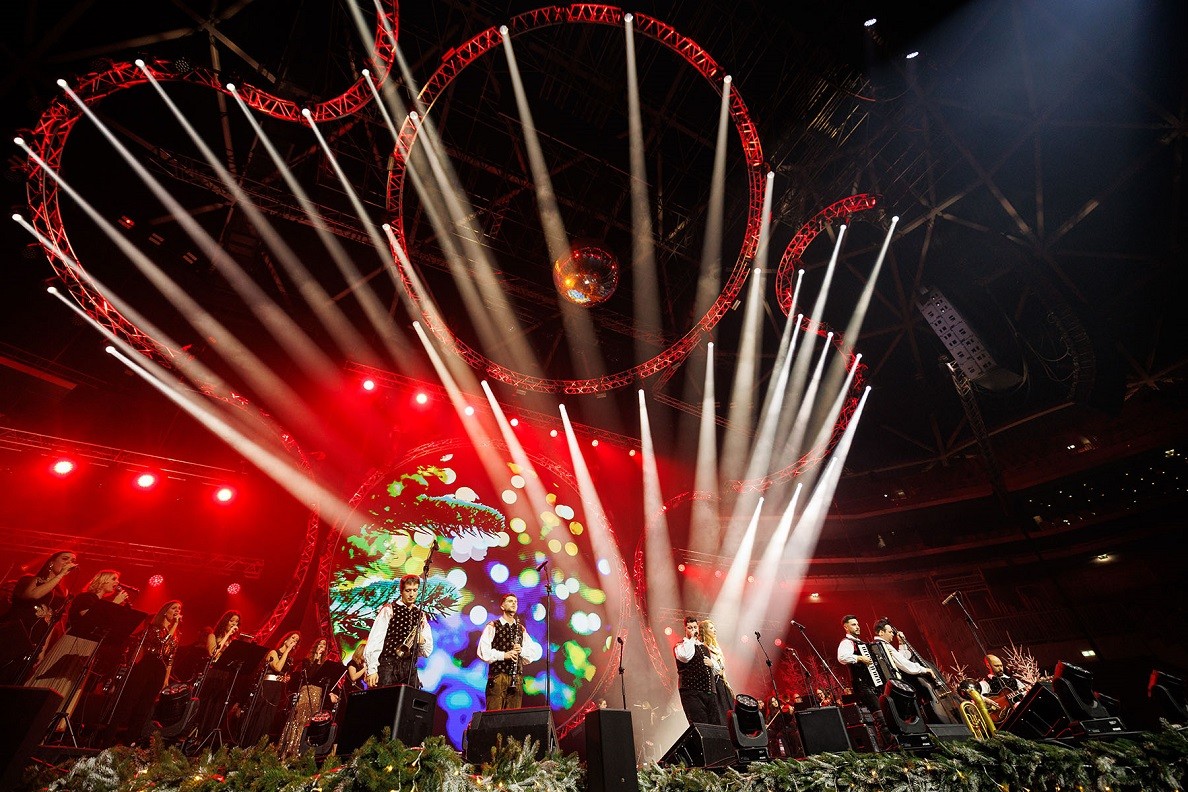
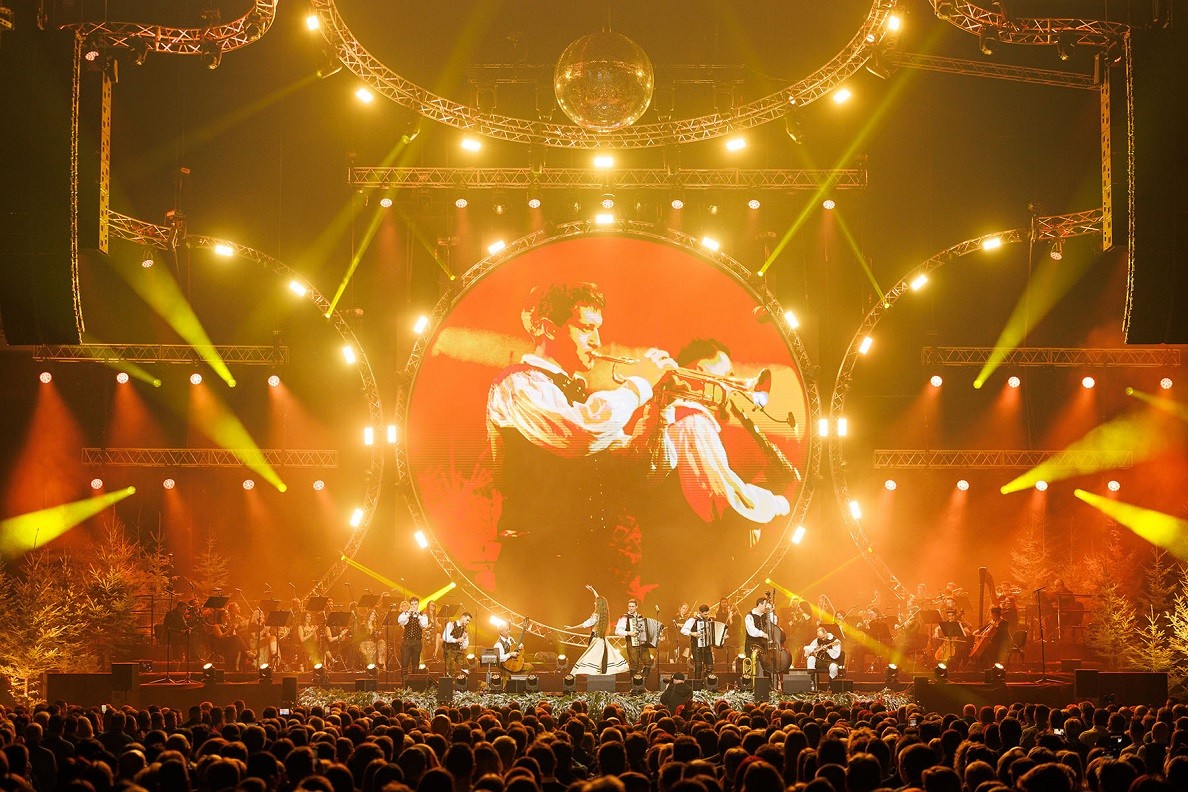
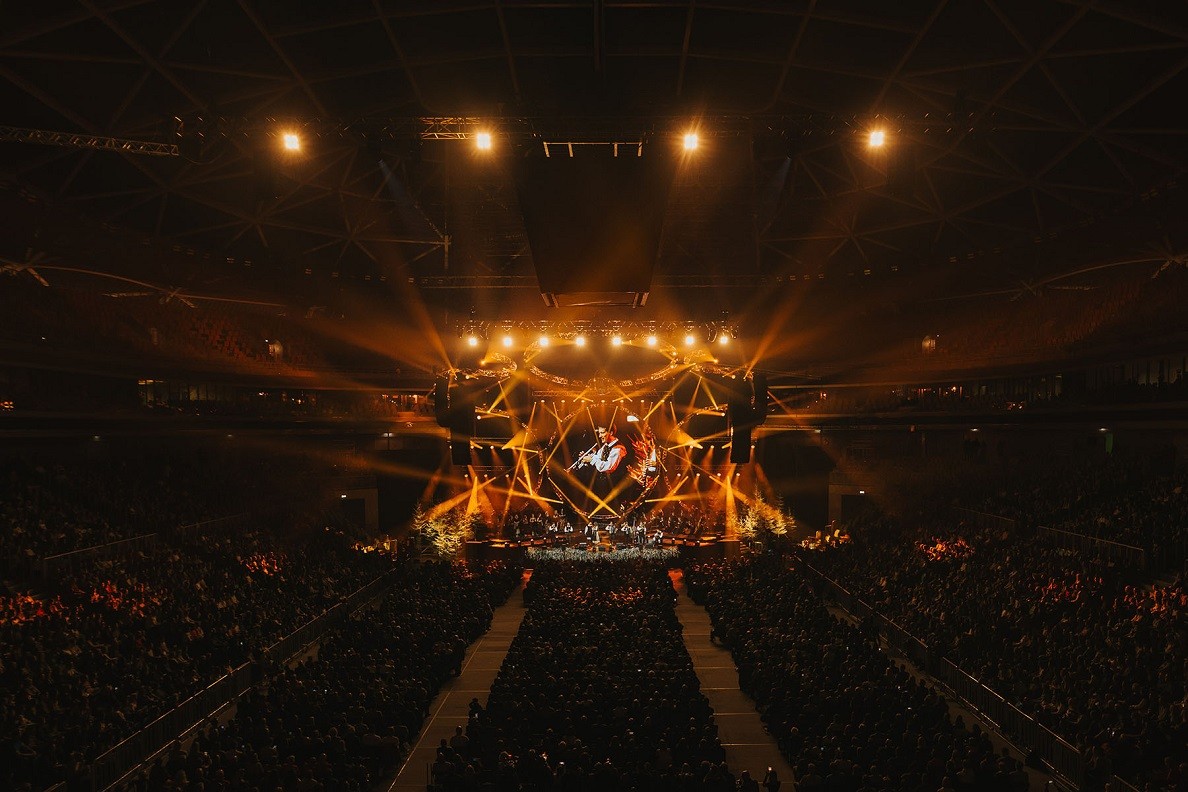
“Winter Fairytale” was a large-scale special production performed by the Ansambel Sasa Avsenika at Ljubljana’s Stozice Arena, and the first live music show in Slovenia to feature Robe iEsprite LTL moving lights, which were newly purchased by rental company Intralite.
Lighting designer Crt Birsa of Blackout Lighting Design added the iEsprite LTLs to the rig for the Slovenian traditional folk music show, for which lighting was programmed and operated by his Blackout colleague Anze Trstenjak. Birsa also designed the stage set together with Greta Godnic.
The 24 iEsprite LTLs were part of a massive Robe moving light rig. In addition to them were sixteen Fortes, thirty MegaPointes, 24 Pointes, 24 LEDBeam150s, 24 ParFects, 57 Spiider LED wash beams and eight MMX WashBeams, a classic Robe favourite of Birsa’s (before MegaPointe, Esprite and Forte) that he often includes, and in this case, they were highlighting the audience.
The event is a new show concept, and this was the first time it had played in an arena. The first “Winter Fairytale” gig had taken place a year before in a much smaller venue, so this substantial step up also required a requisite jump in production scale and value. Trstenjak had worked on most of the group’s latest concerts in recent years. They are popular in Austria and Germany as well as Slovenia, so he brought continuity to the table while Birsa brought his experience of designing and shaping arena and stadium shows.
Godnic’s set design was 29 metres wide, so wider than is standard for the venue, and this brought an essential sense of presence. She and Birsa wanted the environment to be interesting, different and innovative, but the “Winter Fairytale” theme also denoted something soft and warm, so Godnic wanted to riff on the idea of circles.
Birsa - known for incorporating architectural shapes into stage designs - immediately set to work on this, which is how the series of interlocking circles and semi-circles evolved. He and Godnic also suggested having a 10-metre central round screen after persuading the artists that a larger one would not have the same visual impact.
Sixty-four rigging points later - a lot for Slovenia - this piece of stagecraft began emerging. One challenge was to find angled truss connectors to create all the circles onto which Trstenjak and Birsa then placed all the lights. They calculated optimal positioning from an architectural standpoint and also how the luminaires could work most flexibly.
When Birsa drew up the initial plot, Intralite’s Ales Pirman wasn’t sure the LTLs would be delivered in time, but in his enthusiasm, Birsa put them on the plot anyway, with twelve prominent on the centre circle in the roof and the other twelve on the four short trusses left and right of the screen. Trstenjak used the iEsprite LTLs extensively for back lighting of the band, orchestra, and choir, often at full intensity.
The sixteen Fortes were deployed in appropriate locations around the stage. Over forty trees were incorporated into the stage set and backlit with three Fortes per side on the floor. One Forte was positioned at the back of the stairs and five were on the mid truss, perfect for back lighting, with the balance on the front and delay trusses for key lighting.
The 24 Pointes were rigged in the central circle and on the half circles left and right, and all the circular trusses were toned by a combination of 24 ParFects and other LED PARs. ParFect is one of only a few fixtures that can be squeezed into 30 cm truss. The LEDBeam150s were on the floor around the stage, used both as general show light and provided some low-level back light for the band.
The Spiiders were dotted all around the trusses and circles with the front ones utilised as primary front light for the orchestra and choir, with the rear fixtures serving as the main stage wash lights. The MegaPointes were along the sides, complementing the back truss Spiiders. Two BMFL WashBeams fitted with LightMaster handles were used for manual follow spots left and right of house in the usual sports camera positions.
Robe luminaires made up 85 percent of the rig and the fixtures were used for all the main stage lighting, supported by a bunch of strobes, blinders, and other effects lights. The Blackout team, including Trstenjak, came in one day before the show day and worked an 18-hour shift through the setup, with one night of onsite programming; however, by this time, they had completed a serious amount of previsualisation, which was key to delivering the show with so little onsite time.
(Photos: Innea Studio/Luka Kotnik/Zan Zajc)
SCHLAGZEILEN
news archiv
suche
© 1999 - 2026 Entertainment Technology Press Limited News Stories