





Aktuelle News & Schlagzeilen
Lindsay Jones specifies TiMax for TheaterWorks Hartford’s “Circus Fire”
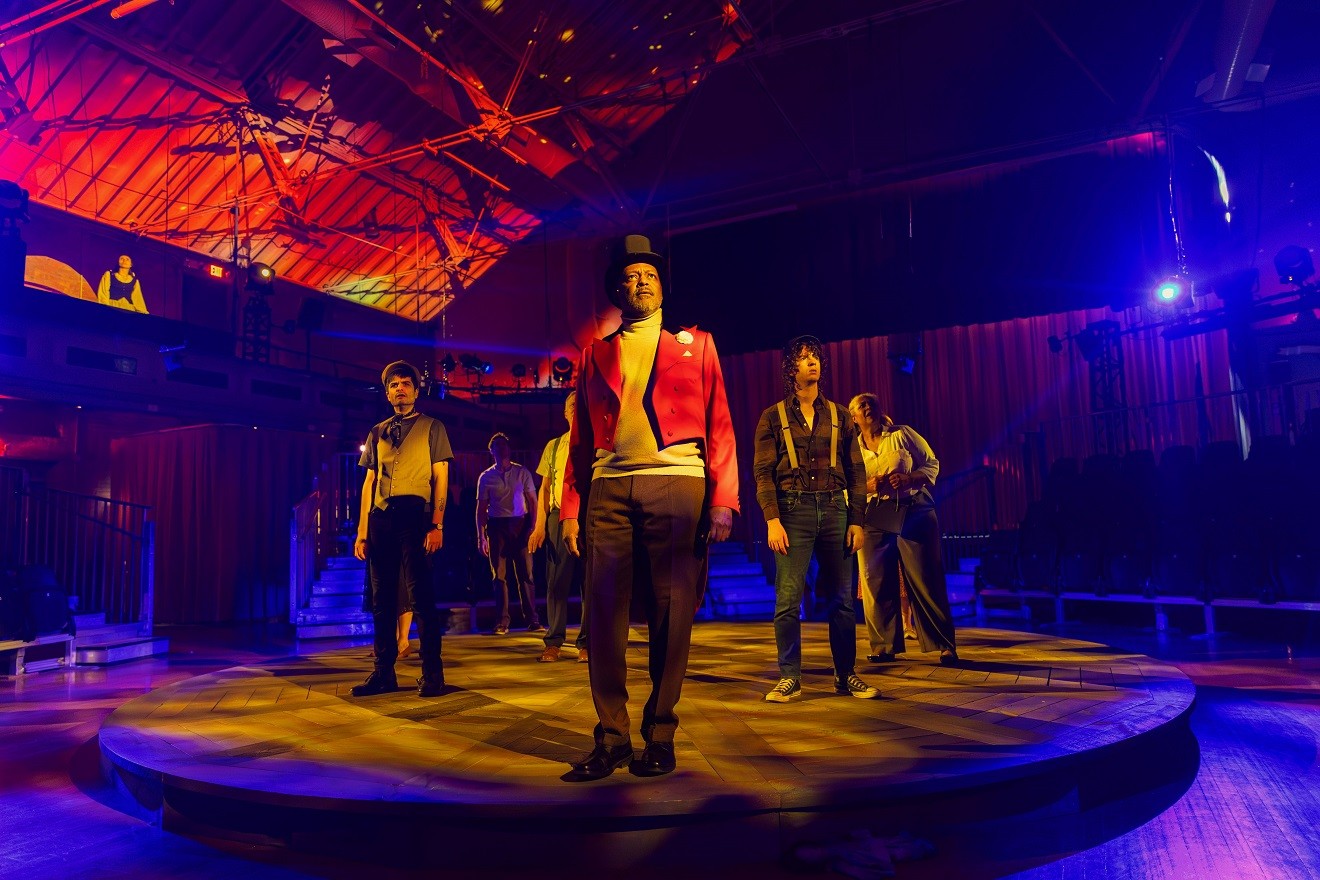
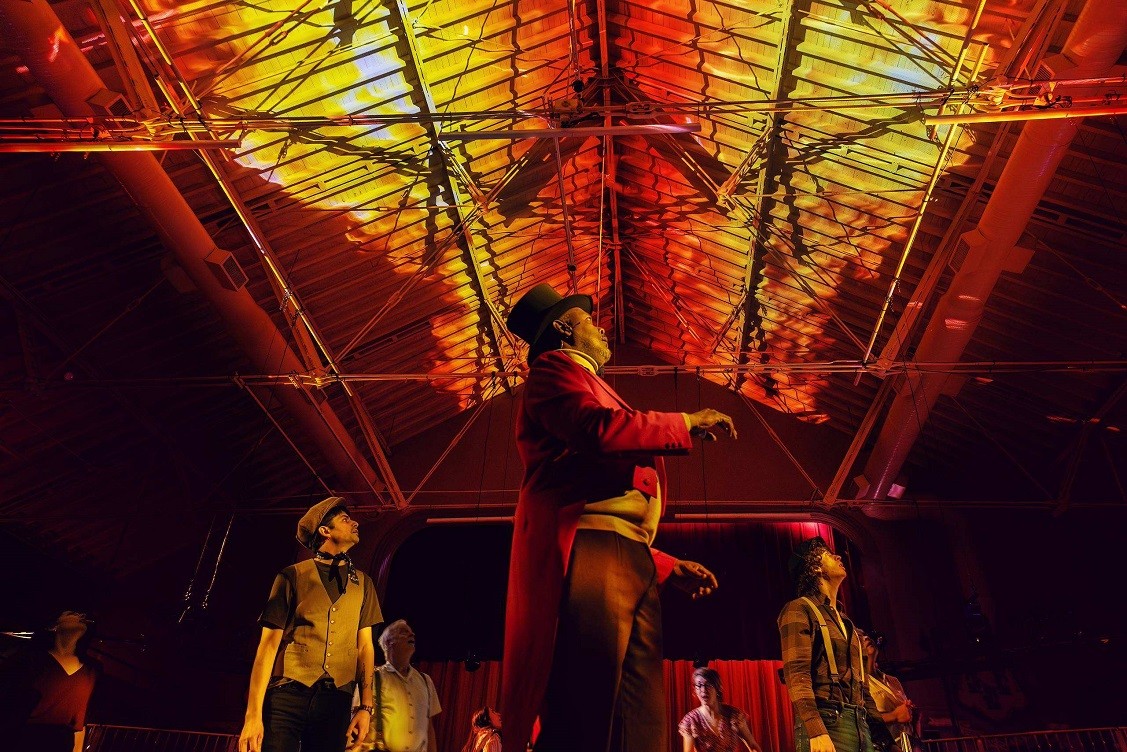
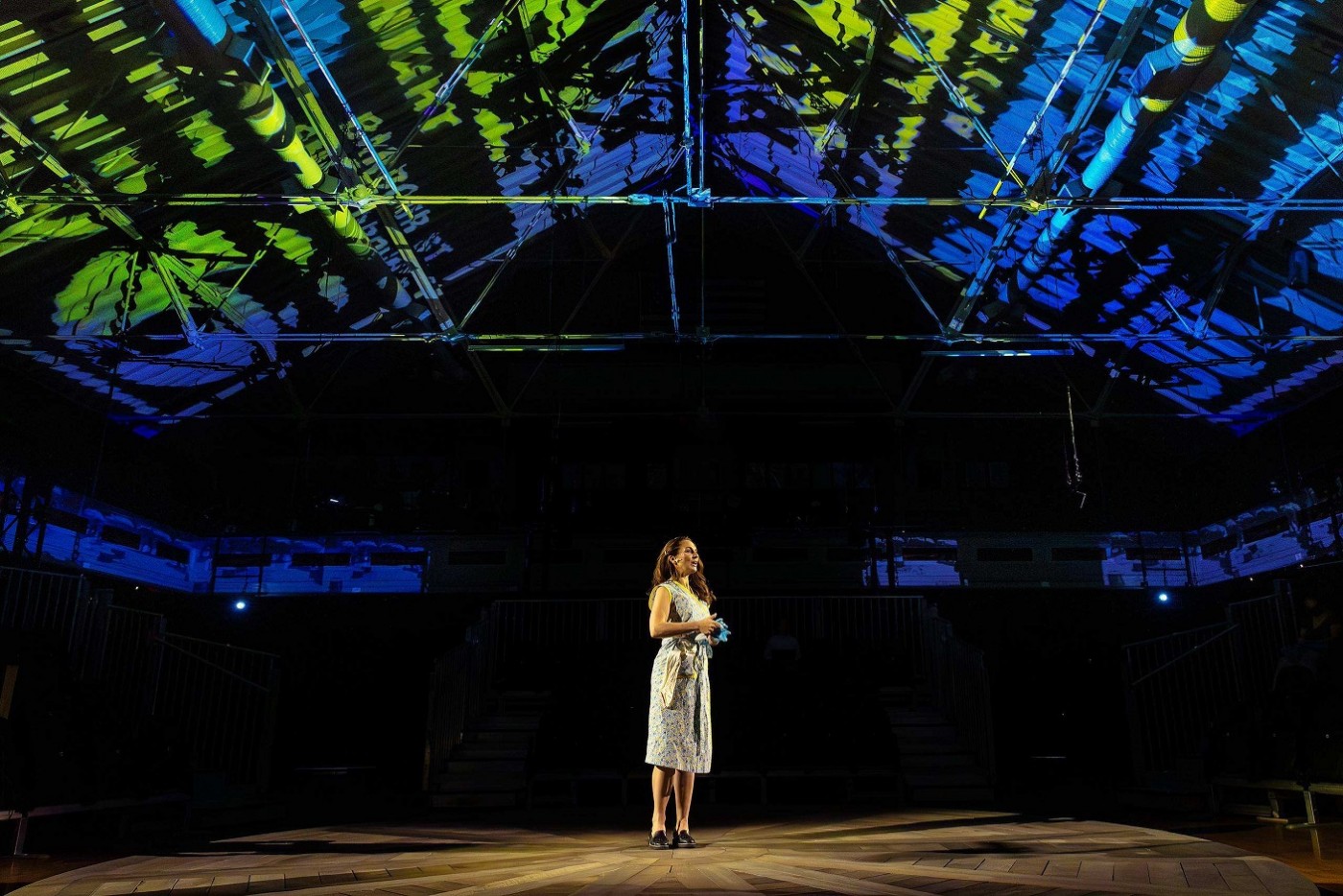
TheaterWorks Hartford’s immersive production of “Circus Fire” was staged in the round inside the Governor’s Foot Guard armoury in Hartford, Connecticut. The acoustically challenging venue called for a spatial audio system that could keep dialogue intelligible from any performer position while still supporting large-scale theatrical effects.
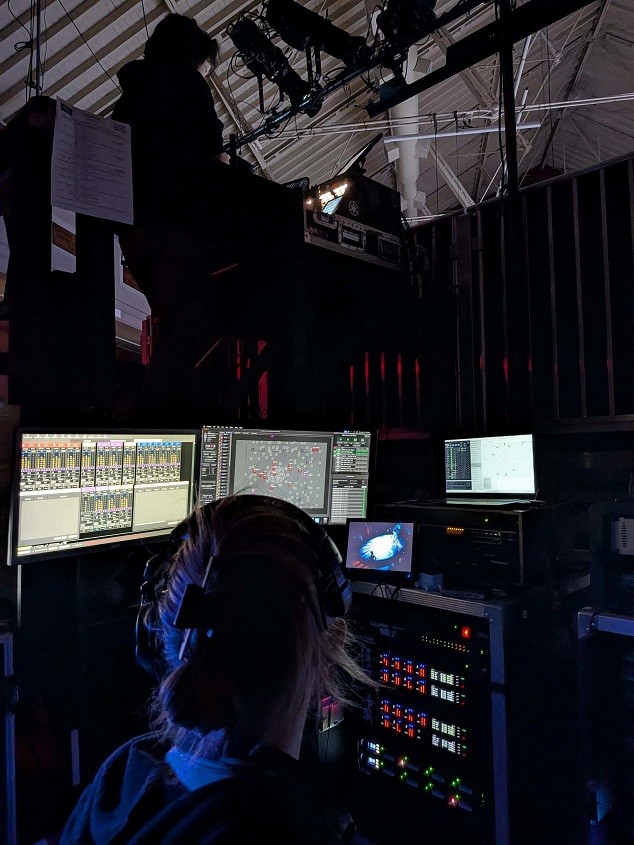
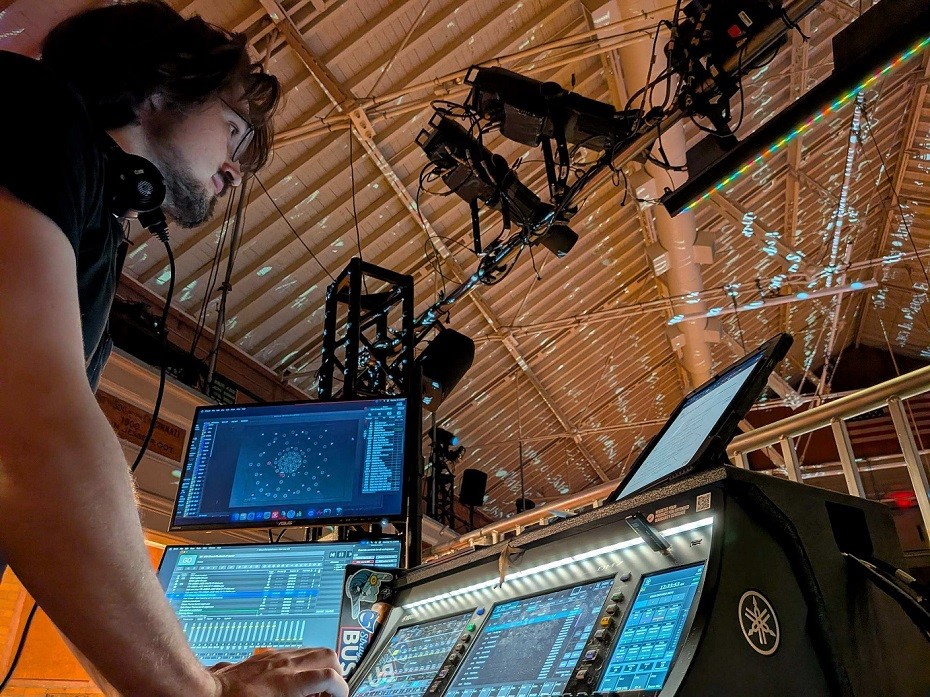
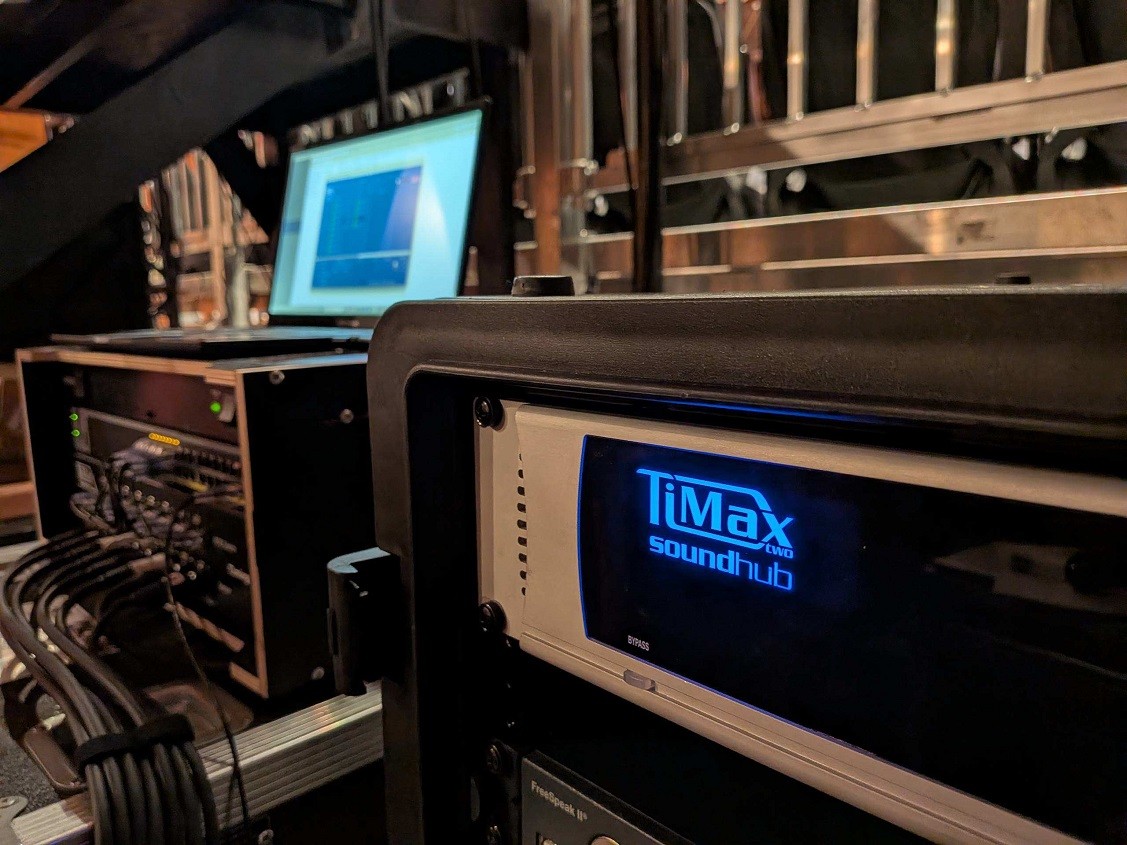
Sound designer Lindsay Jones specified a TiMax SoundHub spatial audio processor with TiMax TrackerD4 real-time performer stagetracking. Loudspeakers were drawn from Martin Audio’s FlexPoint range, chosen for its compact form factor and coaxial dispersion. Audio was supplied by Brooklyn, New York-based ADI Worldwide.
TiMax was chosen after Jones and associate sound designer Nat Houle conducted a comparison of every available spatial audio platform. “TiMax is very modular, very flexible. A lot of the other spatial audio programs have fixed parameters not conducive to in-arena staging”, says Jones. Houle, who programmed the system, adds: “Without microphones on actors in the space, we wouldn’t have been able to hear a huge portion of the show because of the room acoustics.”
Martin Audio’s FlexPoint range was chosen for two reasons: the venue’s historic status demanded floor-standing rigging and therefore lightweight cabinets; and Jones also wanted loudspeakers placed unusually close to the audience. His design concept was to “create an acoustic space below the acoustic space of the room” to deliver clean signal to the ear before the reverberant room could colour it. Two FlexPoint FP4s sat above each of the five audience banks for vocal reinforcement, FP6s provided surrounds, six FP12s in the balcony handled larger effects, and four subwoofers anchored the room.
TiMax TrackerD4 followed each performer while TiMax SoundHub localised the voice, so audio matched the body producing it. “Not only is it important that I can track the actor and know exactly where they are, but with TiMax I can craft exactly how that sounds”, Houle observes. “People felt like the size of their bodies. It felt proportional. That is transparency.” Jones adds: “You were always able to hear everything, always aware where it was coming from. It felt very natural.” TiMax also allowed simultaneous scenes to be localised without competing.
Two specific moments showed what the system made possible. In the fire sequences, switchboard operator characters took phone calls with phone-effect processing applied to their voices. Because TiMax was tracking and localising each mic, the processed voice appeared to come from the phone in the actor’s hand, not from the PA. “It literally sounded like their natural voice coming through a phone, restricted to the body of the person”, says Houle. Jones also discovered that musical underscoring could be attached to a performer’s tracker, so a character’s theme physically followed them through the space - a creative freedom he says he will build into every show.
Jared Mezzocchi, director of the show, and the creative fire behind what he calls a “multimedia experience”, summarizes: “The combined package of TiMax SoundHub and TiMax TrackerD4 was a subtle, nuanced, necessary tool that let the story and storyteller remain foregrounded by eliminating all of the hurdles a reverberant armoury presents.”
(Photos: Curtis Brown Photography/TheaterWorks Hartford)
SCHLAGZEILEN
news archiv
suche
© 1999 - 2026 Entertainment Technology Press Limited News Stories