





Aktuelle News & Schlagzeilen
“Zimmer vs Williams” goes spatial with TiMax at the Royal Albert Hall
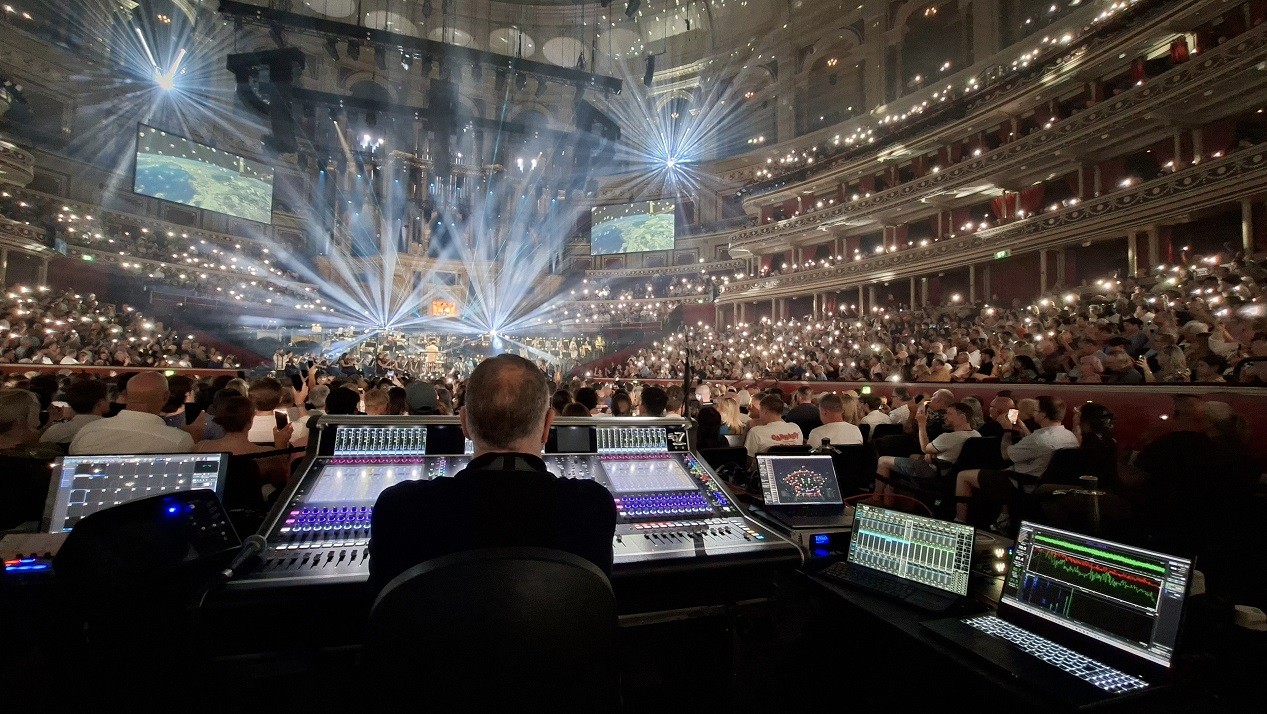
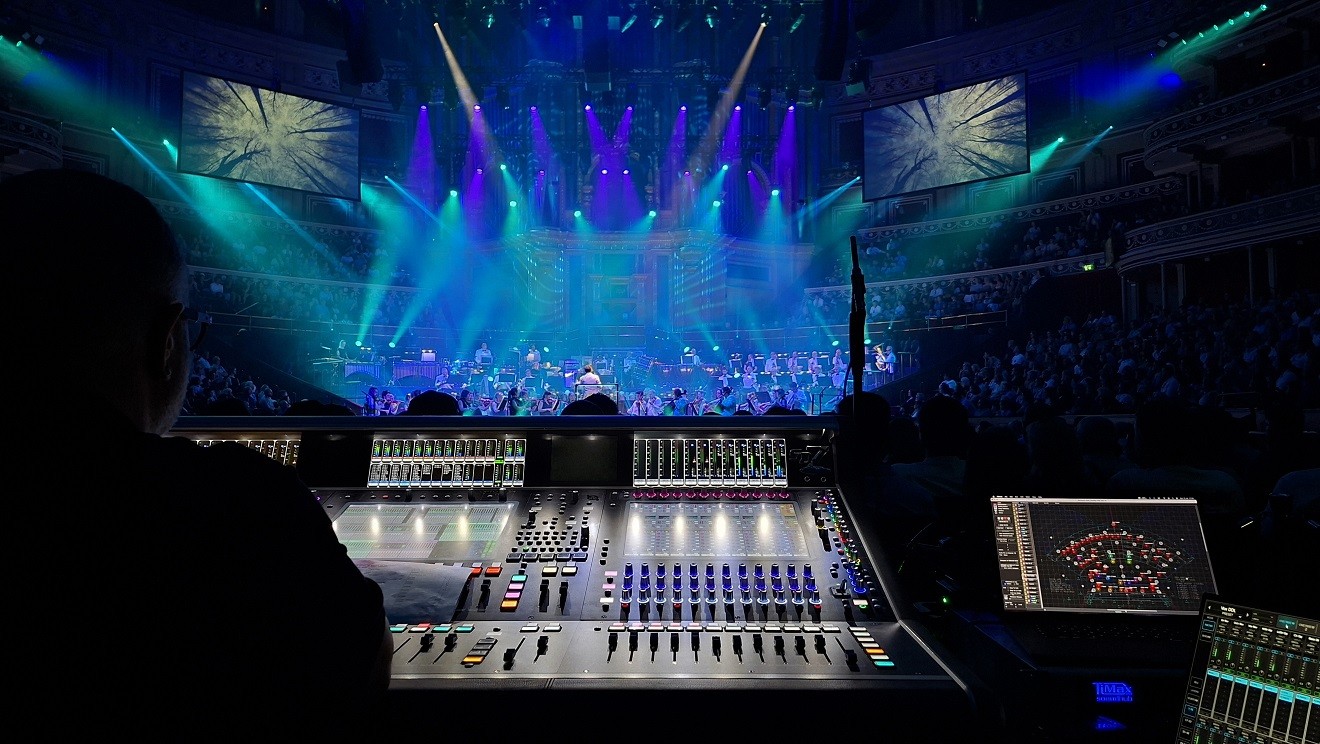
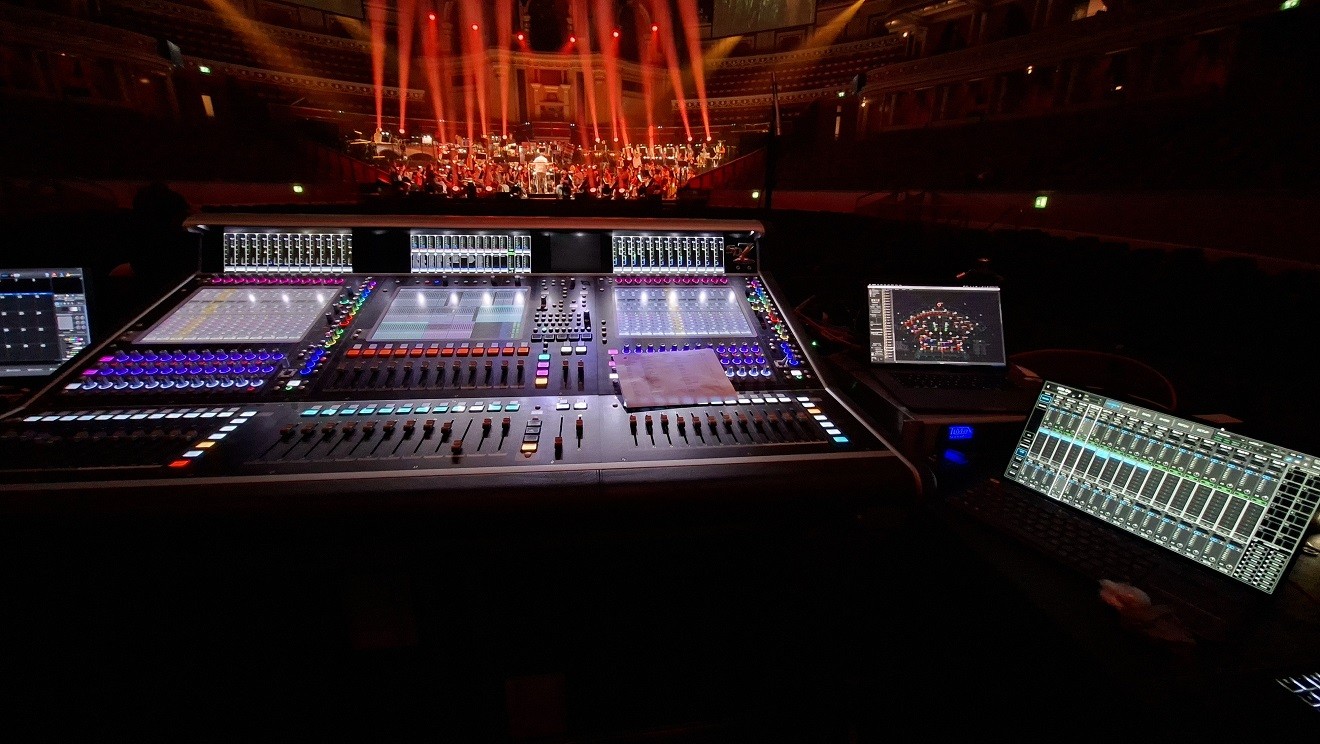
“The Music of Zimmer vs Williams” at London’s Royal Albert Hall is the flagship date in the show’s annual programme of events. Mixed by front-of-house engineer Phil Wright from its inception, this year he added a spatial twist with the help of a 64-channel TiMax SoundHub, bringing the “beyond stereo” thinking he’d seen succeed on festival sites and other events.
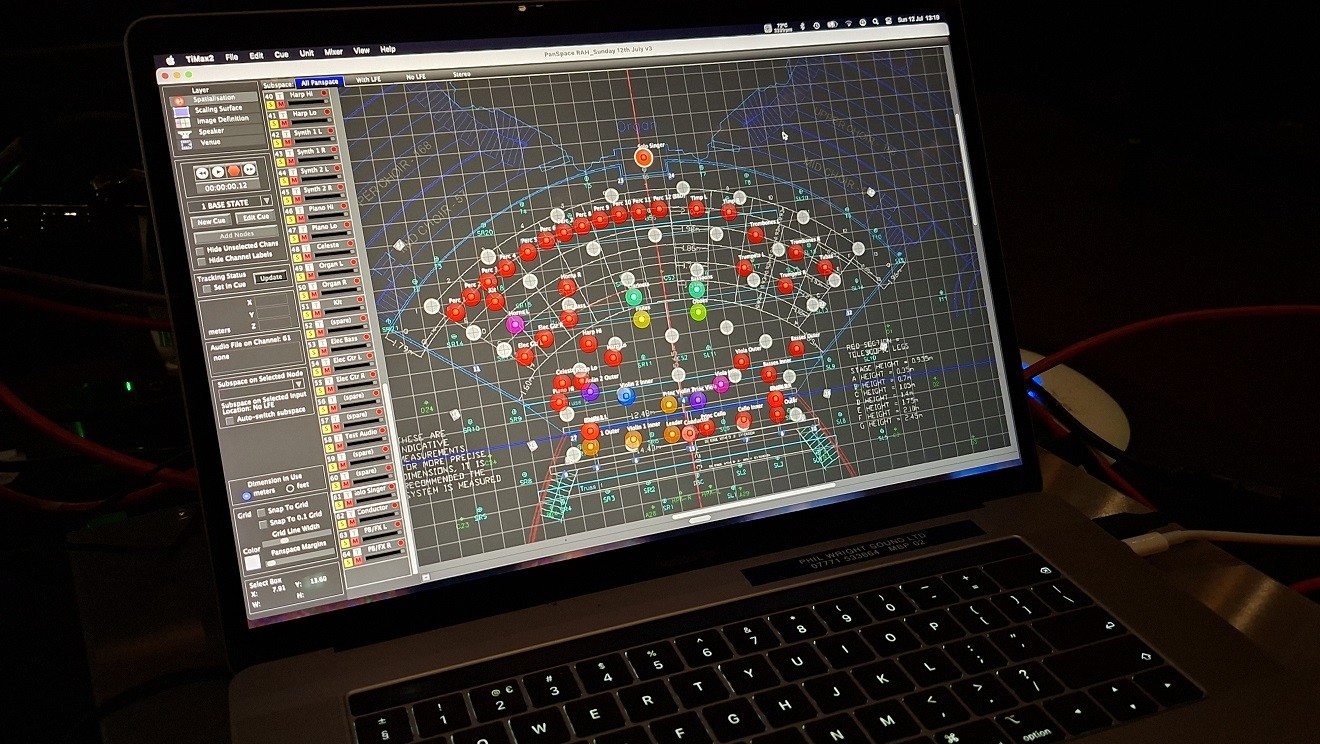
Used solely for this concert, TiMax SoundHub segued into the audio set-up, driving each component of the Hall’s PA individually. With object based mixing it was then possible to expand the score into the available space whilst also building a spatialisation tuned for every seat in the house.
The show itself is a cinematic battle of epic proportions, pitting the biggest Hans Zimmer and John Williams scores from five decades of cinema history against one another on the concert stage. Zimmer’s bold, immersive soundscapes are set against Williams’ timeless melodies. The Royal Albert Hall gives the music the space to be truly cinematic, with an augmented London Concert Orchestra of seven French horns, six trumpets, five trombones, two tubas and a five-man percussion section filling the room.
Led by project manager Laurence Jarrett, with Wright at the console, the in-house team has delivered large-scale orchestral shows in the venue since the department was established in 2015. To let TiMax segue into the house system, speaker positions and angles were imported into SoundHub ahead of the event and level and delay times were calculated from each of the Hall’s loudspeakers to each source on stage.
On the day, the matrix dropped into the sound system in place of the existing delay times, with a brief soundcheck refining the last few percent before the orchestra began at 11 a.m. The inputs were grouped to mirror the orchestra’s layout, with the string and woodwind families split into objects matching their positions on stage and everything else running one-for-one, for a system of sixty-four inputs and forty outputs.
The Hall’s staging climbs 2.4 metres from the front of the stage to the back, rising forty centimetres per riser, so instruments on the risers sit further from the PA than those on the flat - a noticeable height difference that is traditionally not accounted for in the sound system. But because SoundHub works with height as well as level and delay, that extra dimension was carried into the spatialisation, holding the imaging together as the staging rose.
“I can honestly say that was the best sounding show I’ve ever mixed in that room”, states Wright. “The level of clarity and detail in every orchestral instrument, coupled with the accurate localisation of sources, made for an absolutely magical experience out front.” He draws a direct line to studio practice: “It works exactly the same way as object-based mixing in the studio. I find myself needing less EQ, much less dynamics processing, and I have much higher headroom and gain before feedback than traditional bus-based mixing.”
The venue’s in-the-round layout made the point sharper still. “In a proscenium-arch situation you could delay groups or input channels on the console to be correct for an audience in one dimension”, continues Wright. “But the unique 360-degree configuration of the Royal Albert Hall, coupled with TiMax’s ability to combine height into its spatialisation, meant that every tier of that stage was in time with the PA for everyone in the auditorium.”
(Photos: TiMax)
SCHLAGZEILEN
news archiv
suche
© 1999 - 2026 Entertainment Technology Press Limited News Stories